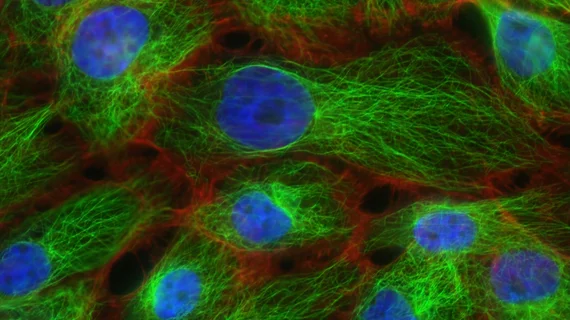
Also called personalized medicine, this evolving field makes use of an individual’s genes, lifestyle, environment and other factors to identify unique disease risks and guide treatment decision-making.
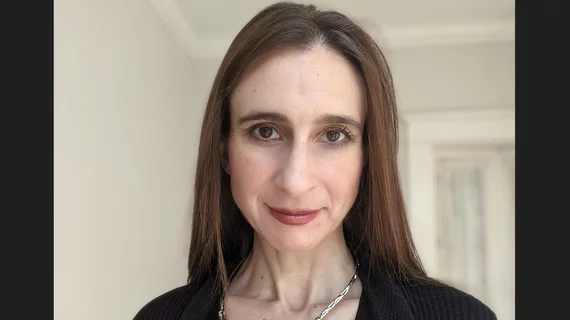
Cynthia Rudin, PhD, is a highly regarded computer scientist who’s been eyeing the advance of artificial intelligence into society with equal parts enthusiasm and concern.
By now it’s a difficult-to-dispute likelihood: AI won’t replace doctors making diagnoses, but doctors who use AI will displace doctors who don’t use AI. The hypothesis gets a fresh airing out from the vantage point of the general public.
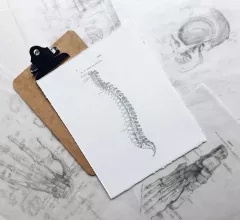
Notching its fifth go-ahead from the FDA, an Israel-based AI startup has received the agency’s 510(k) clearance to market software that automatically identifies signs of compression fractures in the spine.
An experimental set of algorithms has achieved accuracy of 70% to 80% at predicting which of 53 COVID-positive patients at two hospitals in China would get the sickest.
How has digital health contributed to the fight against COVID-19? What kinds of outcomes has it produced? What have been some unintended consequences of its deployment?
Fresh off an investment infusion of $25 million, a tech startup has launched an ambitious virtual consortium to seek “breakthrough medical discoveries and actionable findings” for the global battle against COVID-19.