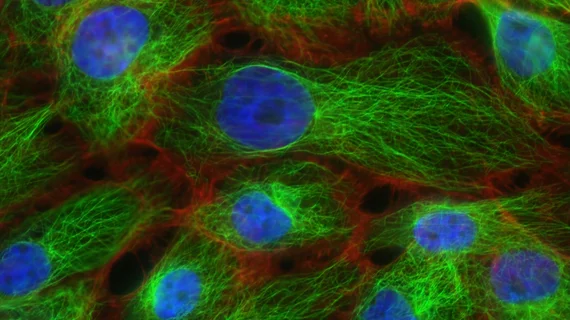
Also called personalized medicine, this evolving field makes use of an individual’s genes, lifestyle, environment and other factors to identify unique disease risks and guide treatment decision-making.
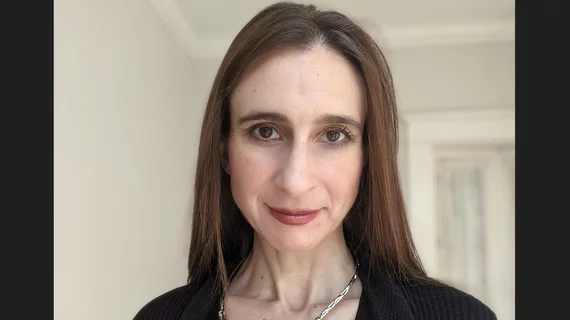
Cynthia Rudin, PhD, is a highly regarded computer scientist who’s been eyeing the advance of artificial intelligence into society with equal parts enthusiasm and concern.
By now it’s a difficult-to-dispute likelihood: AI won’t replace doctors making diagnoses, but doctors who use AI will displace doctors who don’t use AI. The hypothesis gets a fresh airing out from the vantage point of the general public.
Working with a software consultancy that operates in 14 countries, the Department of Veterans Affairs has launched an interactive digital assistant to take U.S. veterans’ questions on COVID-19 and related concerns.
A Canadian healthcare AI company is partnering with a DNA analytics outfit in California to explore how genomics can help advance the science of precision medicine.
One of the biggest imaging OEMs is offering healthcare providers using its radiography systems a third party’s AI toolset for detecting lung abnormalities.
Harvard researchers have demonstrated a way to cut through tangles of irrelevant information in electronic health records (EHRs) while applying machine learning to spot patterns indicative of specific disease markers.