Also called personalized medicine, this evolving field makes use of an individual’s genes, lifestyle, environment and other factors to identify unique disease risks and guide treatment decision-making.
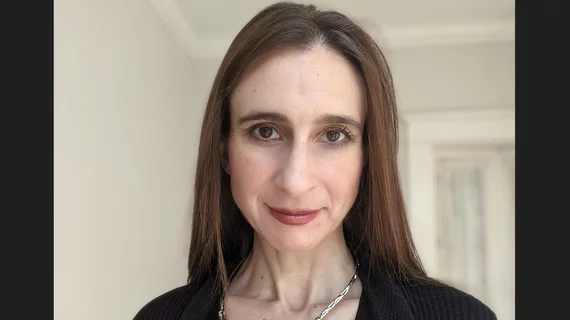
Cynthia Rudin, PhD, is a highly regarded computer scientist who’s been eyeing the advance of artificial intelligence into society with equal parts enthusiasm and concern.
By now it’s a difficult-to-dispute likelihood: AI won’t replace doctors making diagnoses, but doctors who use AI will displace doctors who don’t use AI. The hypothesis gets a fresh airing out from the vantage point of the general public.
A deep learning model has achieved human-level proficiency in three of five exercises, accurately categorizing verbal expressions from more than 33,000 talk-therapy patients who underwent their sessions online.
People have been anticipating the demise of radiologists for years, speculating that AI will soon be interpreting imaging results with the precision of a seasoned veteran.
Why does COVID-19 severely sicken some people and barely bother others who catch it? The C-suite at Johns Hopkins is hoping technology can help unravel this mystery.
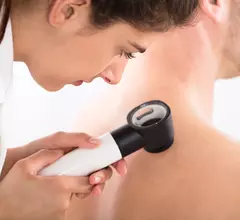
AI-aided physicians are better at diagnosing real-world skin cancer than either AI or physicians alone, and the least-experienced clinicians derive the most benefit from the algorithmic assist.
During the fourth, fifth or sixth year of medical school, more than half of students across faculties in Brazil’s largest city believe AI is a threat to the radiology job market.