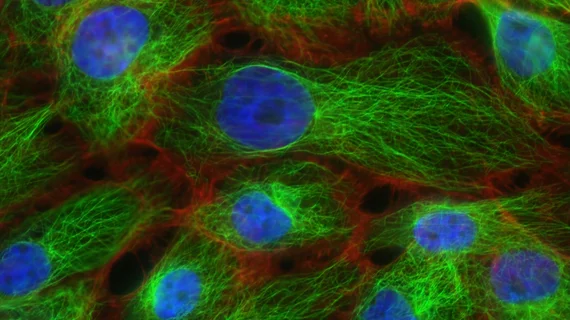
Also called personalized medicine, this evolving field makes use of an individual’s genes, lifestyle, environment and other factors to identify unique disease risks and guide treatment decision-making.
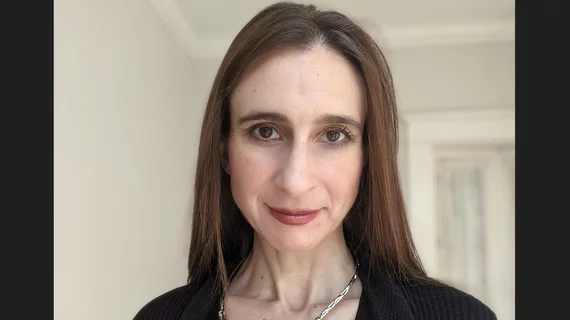
Cynthia Rudin, PhD, is a highly regarded computer scientist who’s been eyeing the advance of artificial intelligence into society with equal parts enthusiasm and concern.
By now it’s a difficult-to-dispute likelihood: AI won’t replace doctors making diagnoses, but doctors who use AI will displace doctors who don’t use AI. The hypothesis gets a fresh airing out from the vantage point of the general public.
Intermountain Healthcare, the sprawling 24-hospital system based in Utah, is partnering with a supplier of healthcare-specific virtual assistants to offer patients an automated COVID-19 interface on Intermountain’s homepage.
Computer scientists in Canada and the U.S. have built an AI-powered search engine for clinicians and researchers engaged in the battle against COVID-19.
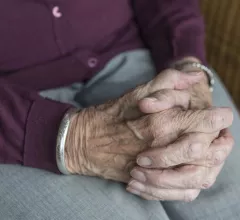
Stanford researchers had been working for years on an AI-powered system to monitor elderly patients at home when the coronavirus outbreak became a global crisis. Now their work is not just nifty but needed.
A new deep learning algorithm can evaluate 134 different skin disorders, predicting malignancy and recommending key treatment options, according to new findings published in the Journal of Investigative Dermatology.
Representatives from the two companies emphasized that its effectiveness is still being validated. At this stage, it is to be used for research purposes and not as a diagnostic tool.