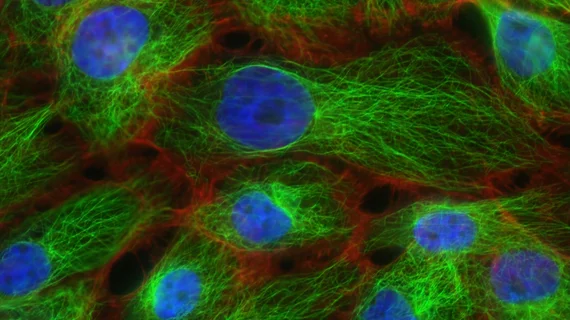
Also called personalized medicine, this evolving field makes use of an individual’s genes, lifestyle, environment and other factors to identify unique disease risks and guide treatment decision-making.
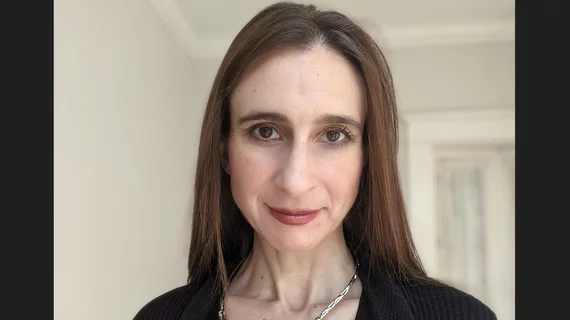
Cynthia Rudin, PhD, is a highly regarded computer scientist who’s been eyeing the advance of artificial intelligence into society with equal parts enthusiasm and concern.
By now it’s a difficult-to-dispute likelihood: AI won’t replace doctors making diagnoses, but doctors who use AI will displace doctors who don’t use AI. The hypothesis gets a fresh airing out from the vantage point of the general public.
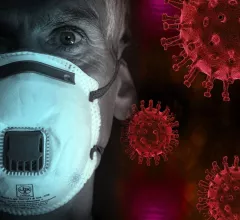
For AI to make a truly damaging dent in COVID-19’s armor, developers need to better connect big-data analytics with regularly refreshed input from frontline healthcare workers.
In a pilot study of 16 patients, the system’s recommendations were deemed safe by expert endocrinologists at a clip of more than 99% over the course of four weeks.
Machine learning is playing a key role in predicting all major forms of drug cardiotoxicity, potentially helping reduce late-stage clinical trial failures.
As an academic AI expert, Pascale Fung, PhD, dove into the scientific research when she was diagnosed with breast cancer in 2015. The time investment rewarded her with a depth of understanding that has helped shape her life as a cancer survivor.
Researchers have found that spiking neural networks become unstable after unbroken periods of unsupervised self-training. Moreover, these “artificial brains” seem to restabilize after they’re given the equivalent of a good night’s rest.
AI is stepping in to help speed up the diagnosis of COVID-19 and expedite how much time healthcare professionals spend determining COVID-19 pneumonia and non-COVID-19 cases.
U.S. Army researchers are calling for the creation of a national emergency network that would coordinate select digital health technologies, including AI, in fighting COVID-19 now and other public health crises later.