Also called personalized medicine, this evolving field makes use of an individual’s genes, lifestyle, environment and other factors to identify unique disease risks and guide treatment decision-making.
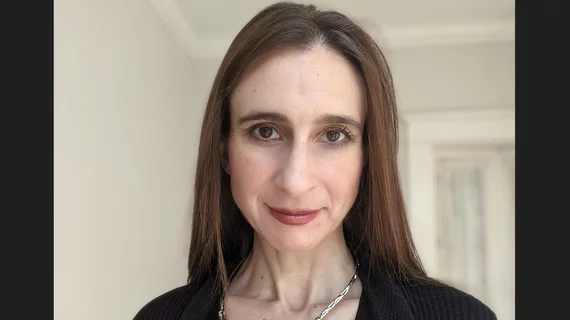
Cynthia Rudin, PhD, is a highly regarded computer scientist who’s been eyeing the advance of artificial intelligence into society with equal parts enthusiasm and concern.
By now it’s a difficult-to-dispute likelihood: AI won’t replace doctors making diagnoses, but doctors who use AI will displace doctors who don’t use AI. The hypothesis gets a fresh airing out from the vantage point of the general public.
Scale AI is funding eight research projects focused on helping Canada respond to the ongoing COVID-19 pandemic, an investment that adds up to $3.4 million.
An unlikely team at Berkeley Lab has created a text-mining tool that may help scientists of all disciplines tame and tap the presently blinding blizzard of COVID-19 papers.
IBM has launched a blockchain-based network for healthcare organizations and government agencies looking to quickly find and hire alternative supply-chain sources during the public-health crisis set off by the COVID-19 outbreak.
For champions of AI in healthcare, the COVID-19 crisis affords an unignorable opportunity to trumpet the technology’s current contributions while directing attention to its potential for helping fight public-health crises to come.
Glioma patients typically need a biopsy so physicians can make a treatment decision, but researchers have developed a new AI algorithm that could make such biopsies unnecessary.
Researchers in Israel are working to develop a new AI-powered COVID-19 test—and they think it could be especially effective at detecting individuals who carry the virus without showing any symptoms.