Explainable AI is almost as sharp as human experts when the cause is simple and straightforward, as with ingestion of a single common cleaning product.
Researchers have used explainable AI to uncover factors that influence inpatients’ opinions when they’re completing satisfaction surveys following hospitalization.
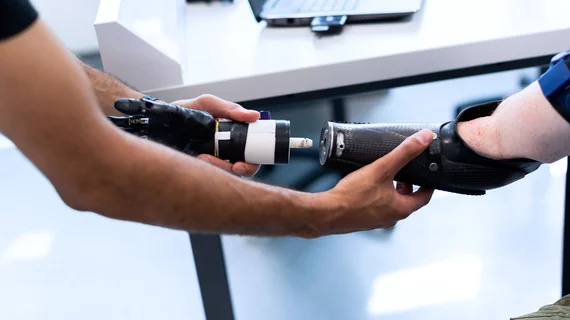
Bioengineers have developed a brain-computer interface that replicates the sense of touch, allowing a robotic arm and hand to not only receive command signals from the brain but also send back signals of stimulation.
Natural language processing of social media posts is useful for identifying depression, anxiety and suicidal thinking, but models trained on population data cannot discern long-term patterns in any one person’s state of mind.
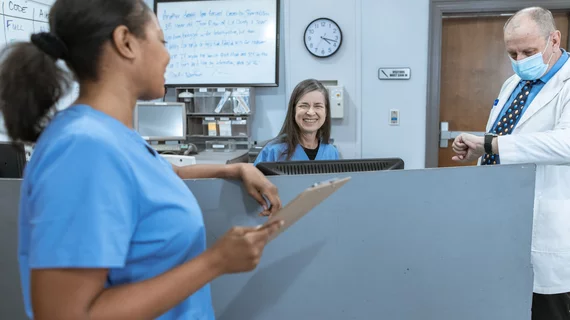
The profession of nursing is something of a sleeping giant within the global village of healthcare AI, according to an interdisciplinary collaborative of healthcare workers from North America and Europe.
Google Health is launching a free app that uses AI trained on more than 16,000 clinical dermatology cases and can identify hundreds of skin conditions, including cancers, with accuracy comparable to that of board-certified dermatologists in the U.S.
AI is poised to help settle an argument that’s been roiling academic psychiatry for more than a century: Are bipolar disorder and schizophrenia two distinct diagnoses—or points along a single continuum?
A novel AI-based model for clinical decision support has bested established machine-learning models at predicting how patients with type-2 diabetes mellitus will respond to various categories of therapeutic drugs.