As machine learning progresses from research settings to clinical practice, how are clinicians to know they can trust the machine’s conclusions to guide care for actual patients?
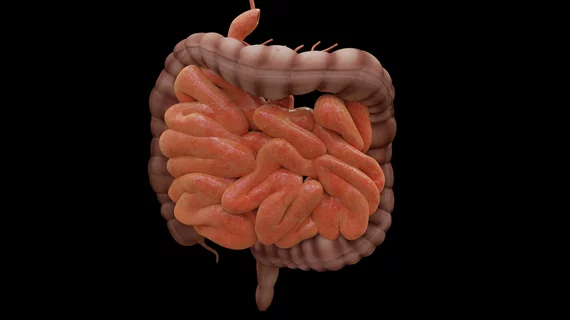
Emergency physicians have a tough time identifying patients who have Crohn’s disease and truly need a CT scan to pinpoint the cause of acute abdominal distress.
At one of the largest medical schools in the U.S., less than a third of the students and only half the faculty are up to speed on healthcare-specific AI.
Infants in pain can’t describe the severity of their discomfort, but NICU nurses can e-learn how to gauge pain degrees according to standardized scales, allowing for prompt and appropriate pain-relief interventions.
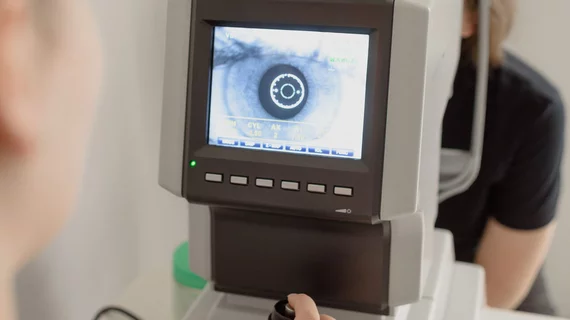
Many cases will be handled by primary-care providers, eye technicians and even patients themselves connected by telehealth and armed with commercial test kits and AI.
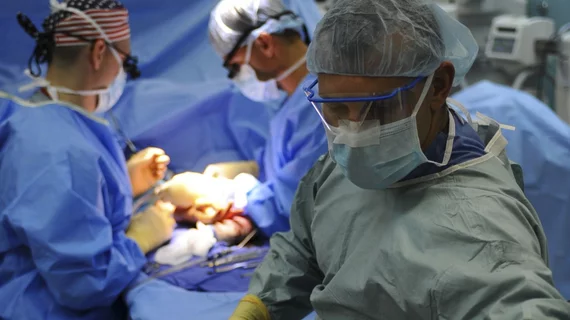
Along with AI in its various iterations, the list may include virtual and augmented reality, 3D printing, robotics and other technologies currently changing healthcare delivery.