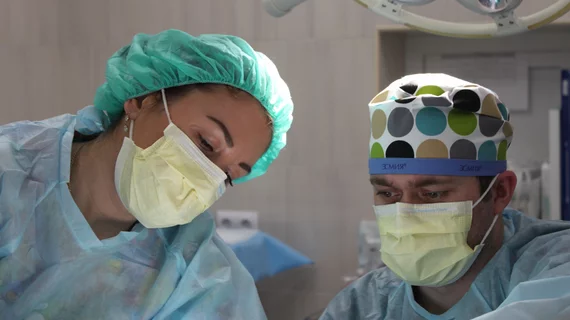
Researchers in Denmark and the U.S. have used deep neural networks to develop complementing models for predicting complications likely to arise in patients who’ve had surgeries of all kinds.
When assisted by an AI tool designed to organize and display digitized patient referral records, gastroenterologists cut their time to answer relevant clinical questions by 2.3 minutes.
Beginning around 2031, autonomous virtual assistants will deliver precision preventive medicine while networked provider orgs offer closely connected care via single, shared digital infrastructures.
A Silicon Valley icon has debuted a healthcare-specific data engine aimed at collating actionable information from data siloes operating within hospitals and health systems.
Early on in the development of digital image recognition, the technology showed a penchant for taking logical but potentially problematic shortcuts: It would look to image artifacts and incidental “asides” such as background features to distinguish between two visually similar subjects.
Psychology researchers have used machine learning to wring useful two-year dementia trajectory predictions from more than 500 potentially contributing risk factors.
Reporter Steve Lohr interviewed IBM insiders and close observers en route to finding Watson’s current leadership evidently humbled, cautioned and determined to pursue more sober goals.
Before colonoscopy AI can progress from lab to clinic on a broad scale—and win regulatory approvals along the way—it has to show its diagnostic mettle in numerous large clinical trials conducted at multiple facilities.