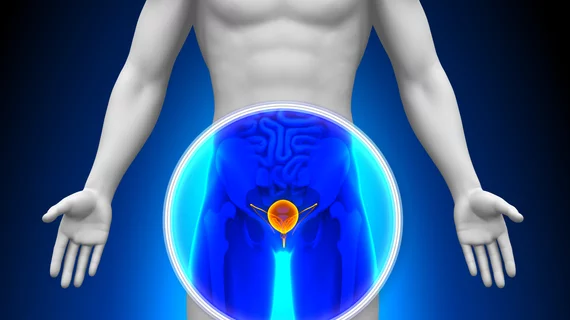
An AI system for diagnosing prostate cancer on biopsy slides has achieved 98%-plus performance in sensitivity, positive predictive value, specificity and negative predictive value.
Two healthcare heavyweights are combining forces to form a technology center they hope will, over the next 10 years, “fundamentally advance the pace” of discovery in medical science and healthcare innovation.
Last week a literature review showed none of 62 high-quality medical AI models ready for translation from academic research to clinical practice. Now comes a similar but separate study confirming the depth of the dashed hopes.
Noting that multiple sclerosis now affects more people between 50 and 60 than any other age group, researchers have shown how machine-learning gait analysis can help personalize therapy regimens.
Academic researchers in the U.K. have completed a systematic review of 62 representative studies on the use of AI for COVID-19 diagnostics and prognostics on X-rays and CT scans. Their findings may strike some as a setback.
Of five emerging technologies used by nurses to help control infectious diseases, the Internet of Things is the most promising, researchers have concluded.
The demand for tailored PHI consent for research is strongest among adults 49 and younger, pressing the need to speed the evolution of policies conducive to AI development.
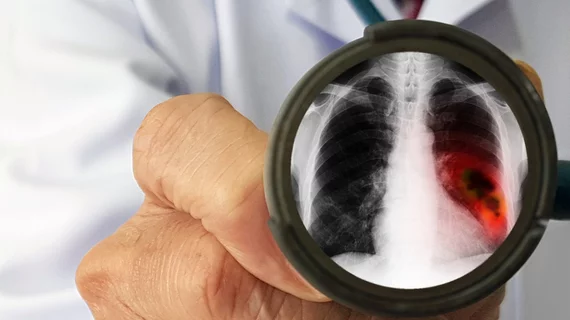
The FDA has granted 510(k) clearance to clinical decision support software that uses AI to detect small but potentially cancerous lesions in the lungs.
The FDA has blessed an AI-packing armband that checks for biometric patterns pointing to possible SARS-CoV-2 infection in individuals with no symptoms.