The FDA has granted de novo classification to an AI software module that puts a second pair of eyes on colonoscopy videos in real time and is compatible with any endoscope.
Artificially intelligent personal digital assistants controlled by voice à la Amazon Echo and Google Home have a bright future in healthcare. However, they will only go so far as a transformative technology.
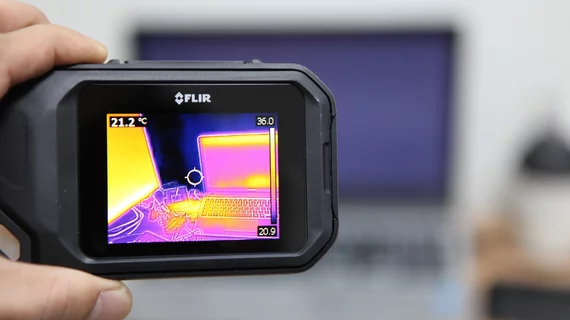
The European Union has granted CE mark approval to a breast cancer screening system that combines a thermal imaging device with cloud-hosted AI analytics.
Armed with AI-derived observations of tweets and posts, influencers could tailor promotional campaigns and policy interventions to boost COVID vaccine buy-in, a new study suggests.
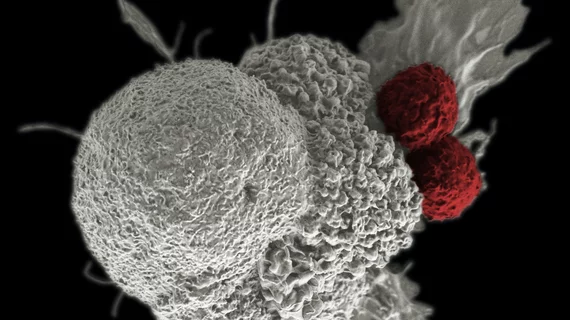
Johns Hopkins researchers have used deep neural networks to draw important insights—prescriptive as well as descriptive—into adaptive immunity from massive stores of T-cell receptor sequencing data.
A major collegiate athletic conference is teaming with a top-tier academic healthcare system and a popular fitness technology company to study the utility of wearables for preventing or monitoring infectious diseases in student-athletes.
Apart from software, the technique needs nothing more than a halogen lamp and a commercial-grade spectrometer. This pairing can be had together for well under $5,000.
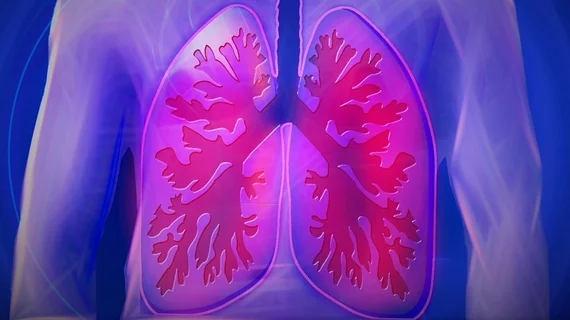
The FDA has given the all-clear to AI software that measures nodules in the lungs, a tedious but important task for radiologists monitoring changes in these growths over time.