With AI-inclusive devices routinely earning regulatory approval for use in clinical settings, the time seems ripe for helping technology translators talk above the din of visionary futurists.
Working with 9/11 responders as retrospective subjects, researchers in mental health and computer science have shown AI language tools can help predict the course of PTSD.
Comparing four methods for predicting septic shock in children hospitalized with sepsis, Johns Hopkins researchers have found a newer machine-learning approach superior to an older one as well as to two conventional methods.
Psychology researchers have demonstrated a way to finetune diagnoses of major depression and generalized anxiety disorder by analyzing freely elaborated thoughts and feelings using machine learning and natural language processing.
Clinical nutritionists won’t be left out of the medical AI revolution, as researchers are exploring use cases for augmented diet optimization, food image recognition, risk prediction and diet pattern analysis.
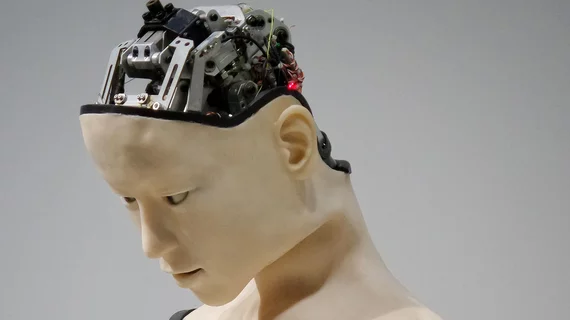
Empathetic, affable, visually unthreatening and coolly competent in several healthcare tasks, a newly trained nurse named Grace has made a head-turning debut.