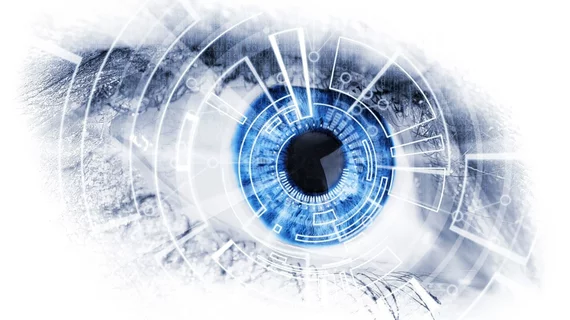
Teleophthalmology incorporating AI has a bright future in advanced vision care, and the potential indications branch out in many directions from screening for diabetic retinopathy.
Technology educators, tech-policy wonks and hospital clinical leaders from three countries have collaborated to produce a helpful guide for end-users of healthcare-specific AI tools—and the patients they serve.
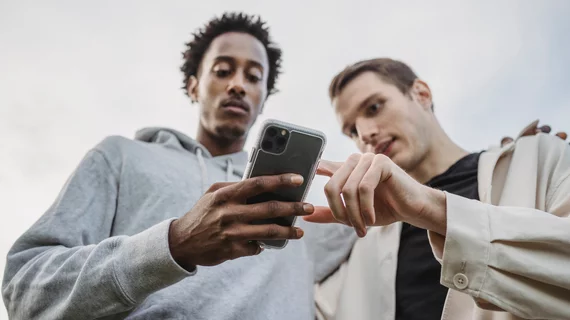
Going head-to-head against a small group of clinicians in 50 care episodes, an AI-based smartphone app has equaled or bested the humans at triaging patients to the most appropriate site of care.
While big breakthroughs in healthcare AI seem to have slowed in recent weeks, those involving other hot technologies have kept the content coming for publishers of peer-reviewed medical journals.
Freely hope for the best, but diligently prepare for the worst. Applied to end users of healthcare AI, that adage could have been a key takeaway at last week’s annual meeting of HIMSS in Las Vegas.
Women soccer players have either better ball-recovery skills than men or worse ball retainment. Either way, the result is a “more fragmented game” in women’s soccer.
Researchers have used deep learning to assess three key biomarkers of existing breast cancers on routinely acquired histology slides. In the process, the team has advanced AI-based biomarker analysis for managing a range of cancers.