Researchers in the U.S. and China have meshed AI with blood testing and CT lung imaging to accurately predict which newly diagnosed COVID-19 patients will need a mechanical ventilator.
AI has shown strong potential for predicting which recently hospitalized patients will develop pressure injuries (PIs), also known as pressure ulcers or bedsores, if they aren’t treated early with preventive medicine.
After training deep neural networks on around 4,000 slide images from around 40 biopsied kidney patients, UCLA engineers have virtually re-stained tissue images for speedier high-accuracy diagnostics than a human histotechnologist could support.
Along with AI in its various iterations, the list may include virtual and augmented reality, 3D printing, robotics and other innovative technologies changing healthcare delivery.
Researchers have achieved accuracies of 99.4% and 94.3% in two algorithmic methods for monitoring, diagnosing or ruling out Parkinson’s disease going only by individuals’ spoken words.
Screening for sepsis in children and babies has grown quickly over the past several years. As methods and approaches multiply, machine learning continues looking like an eventual first-line diagnostic option.
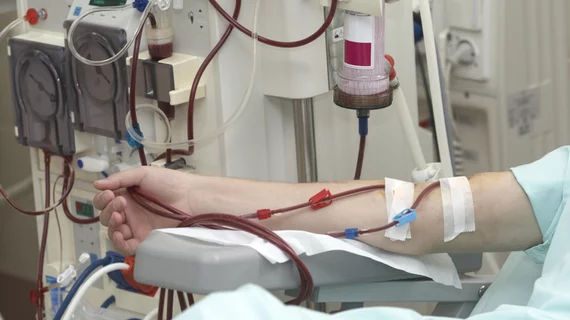
Researchers have used machine learning to accurately predict when a patient with chronic kidney disease will need dialysis. The technique may facilitate personalized care and optimized treatment planning.