Women’s health specialists have demonstrated the customization of a commercial AI-based chatbot platform for patients with hereditary breast and ovarian cancer. The pilot project took many hands and much manual labor to complete, but the team suggests the effort has been worth the payoffs.
AI technologies likely can go only so far toward improving on hearing aids and cochlear implants. However, AI and hearing experts expect fertile grounds to open for exploration in clinical as well as research arenas.
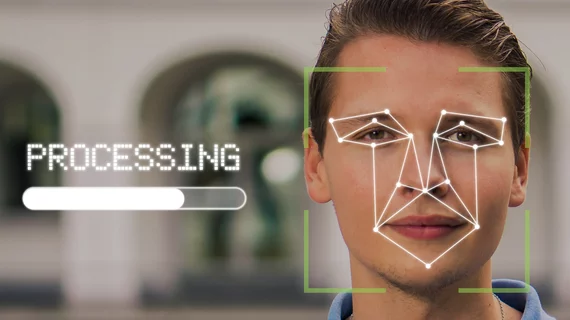
Only two-thirds of U.S. healthcare consumers are OK with surgeons using digital facial recognition to avoid medical error by confirming patient identity.
A convolutional neural network has proven adept at predicting the spread of colorectal cancer to the lymph nodes using automated analysis of histology slides.
Harvard researchers have demonstrated a web-based program that allows cognitively normal individuals to screen themselves, unsupervised, for the type of memory decline that may signal encroaching Alzheimer’s disease.
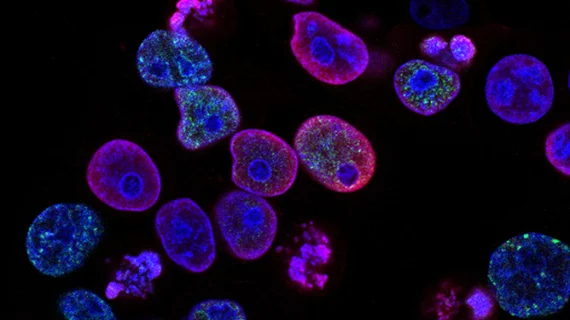
Researchers have used electron microscopes and machine learning to create detailed, high-resolution 3D images of subcellular structures called organelles.