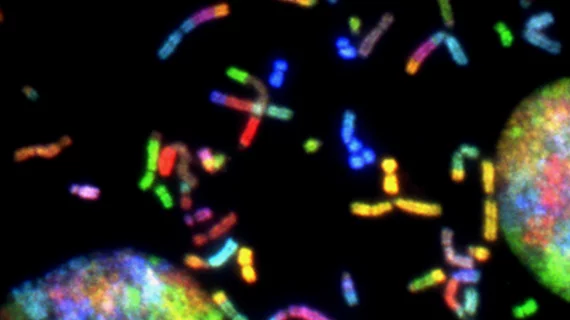
Researchers have used unsupervised machine learning to predict disease-causing properties in more than 36 million genetic variants across more than 3,200 disease-related genes.
Makers of AI models for use in healthcare should think through the potential actions of any “humans in the loop” of their tool’s implementation in real-world clinical settings.
Along with AI in its various iterations, the list may include virtual and augmented reality, 3D printing and visualization, robotics and other innovative technologies changing healthcare delivery.
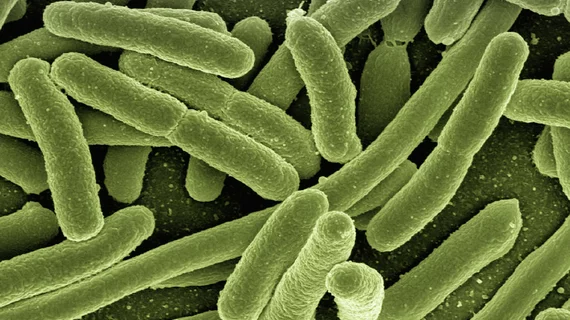
New research shows horizontal gene transfer is predictable in bacteria by machine learning, a development that could lead to better weapons in the war against E. coli and other bacterial assailants that collaborate to conquer pharmacologic first responders.
Could AI help produce a unifying concept of human disease—one that might help prevent, mitigate or cure everything from birth defects and rare cancers to immune disorders and neurological defects?
U.S. healthcare may be high on China’s wish list of Western spheres of activity to infiltrate ever more deeply with artificial intelligence and other advanced technologies.
The AI development team was guided by a sports-medicine specialist dubbed “the go-to orthopedic surgeon for many of the greatest athletes on the planet.”
A 17-hospital, 500-site health system in the Northeast is migrating clinical and operational data to Google Cloud platforms while also partnering with the Silicon Valley giant on AI and machine learning.
More than one-quarter of the U.S. adult population has Gastroesophageal Reflux Disease, or GERD, and the condition saddles as many as 20% of its sufferers with Barrett’s esophagus. The latter is a serious risk factor for esophageal cancer.