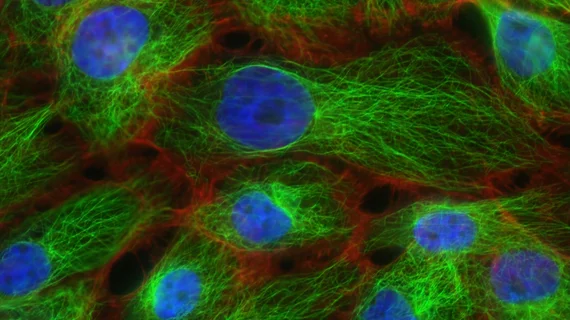
Also called personalized medicine, this evolving field makes use of an individual’s genes, lifestyle, environment and other factors to identify unique disease risks and guide treatment decision-making.
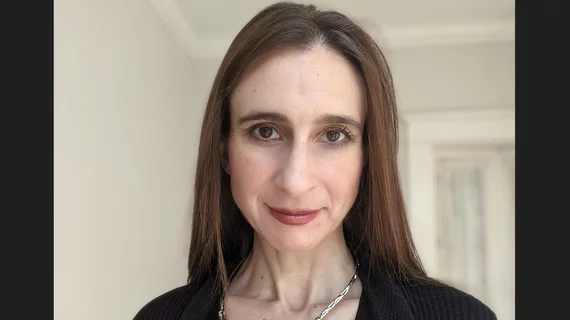
Cynthia Rudin, PhD, is a highly regarded computer scientist who’s been eyeing the advance of artificial intelligence into society with equal parts enthusiasm and concern.
By now it’s a difficult-to-dispute likelihood: AI won’t replace doctors making diagnoses, but doctors who use AI will displace doctors who don’t use AI. The hypothesis gets a fresh airing out from the vantage point of the general public.
The UK government and life sciences industry leaders are investing more than £1 billion to support healthcare innovation and research aimed at using AI for early disease detection.
As healthcare leaders prioritize reducing costs, one executive believes the way to get there involves wearable devices with sensors, digital assistants and AI, according to a report by The Wall Street Journal.
Cardiologs co-founder and CEO Yann Fleureau was named the European Innovator of the Year by MIT Technology Review, which also included the French native on its list of the top 35 European innovators under the age of 35.
The FDA is speeding up the review process for new software that uses AI to help radiologists diagnose chronic thromboembolic pulmonary hypertension (CTEPH), pharmaceutical company Bayer announced Dec. 3.
The National Institutes of Health (NIH) and tech company NVIDIA are partnering to create AI tools for clinical trials focused on brain and liver cancer.
That smartphone you’re carrying around in your hand could potentially be used as a tool to help recognize signs of depression in patients and lead to earlier intervention, researchers with Stanford University suggested.