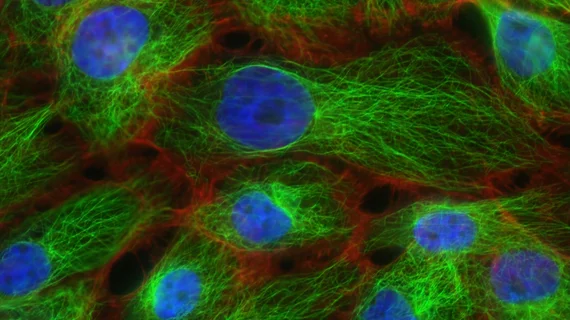
Also called personalized medicine, this evolving field makes use of an individual’s genes, lifestyle, environment and other factors to identify unique disease risks and guide treatment decision-making.
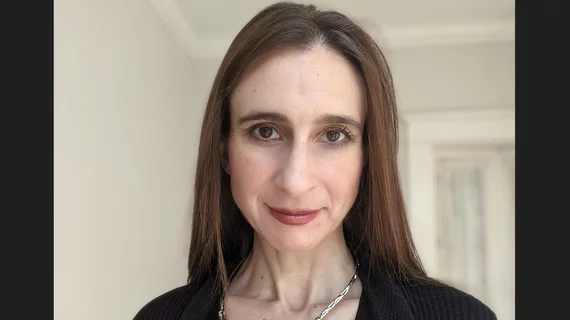
Cynthia Rudin, PhD, is a highly regarded computer scientist who’s been eyeing the advance of artificial intelligence into society with equal parts enthusiasm and concern.
By now it’s a difficult-to-dispute likelihood: AI won’t replace doctors making diagnoses, but doctors who use AI will displace doctors who don’t use AI. The hypothesis gets a fresh airing out from the vantage point of the general public.
K Health, a New York-based health technology company, raised $25 million in a recent funding round for its AI-powered health app that checks symptoms and provides information about a user’s health, according to information available on Crunchbase.
The University of Guelph in Ontario, Canada, has launched a new center that aims to address the ethics of AI and build "machines with morals" by ensuring technologies benefit people and minimize harm.
San Francisco-based startup Myia Labs has raised $6.75 million in seed funding to further develop its patient-monitoring platform, according to Yahoo Finance.
Researchers with the Brigham and Women’s Hospital (BWH) in Boston have developed a device that uses AI to automatically detect signs of ovulation in women, according to a recent study. The device could mean a more cost-effective and accurate resource for women looking to plan or prevent pregnancy.
An Atlanta research team has developed a smartphone app that can screen for anemia just by taking a picture of a person’s fingernails—paving the way for a new, noninvasive method to detect and diagnose the condition.
A television series led by actor Ted Danson will showcase how a company is using various technologies, including AI, to help treat type 2 diabetes in India.