CTPA is the standard of care for diagnosing PE, but suboptimal scans make it difficult to reach a diagnosis. A new Clinical Imaging study tests the effectiveness of AI when image quality is lacking.
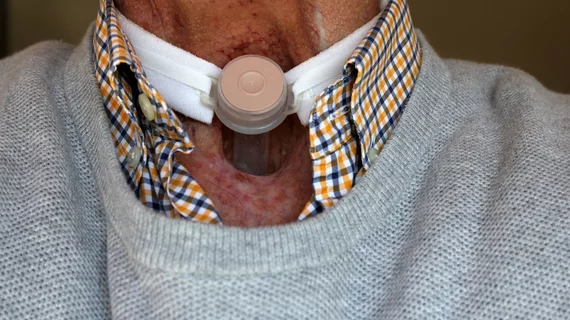
Mechanical engineers have developed injectable hydrogels that can fuse with frequently moving tissues—like those of the heart, muscles and vocal cords—to repair damage and restore function.
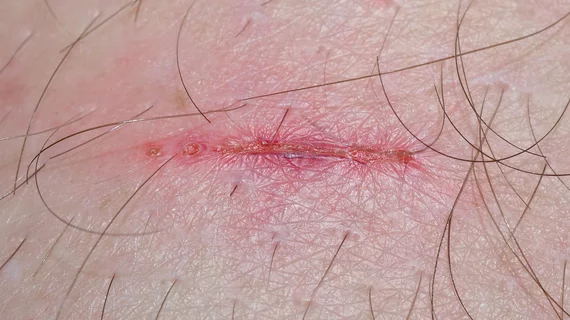
Researchers have demonstrated the 3D bioprinting of artificial human skin so lifelike it can quickly fuse with damaged tissue from the surface (epidermis) through the midlevel (dermis) and into the underlying fatty layer (hypodermis).
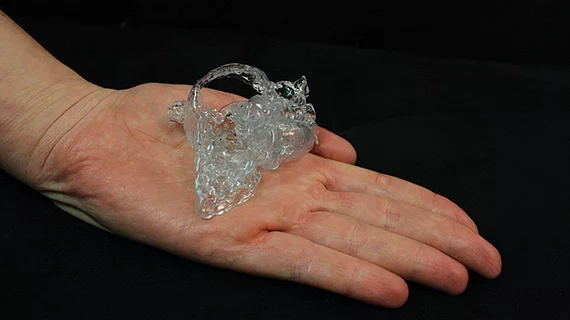
Along with AI in its various iterations, the list may include virtual and augmented reality, 3D printing and visualization, robotics and other innovative technologies changing healthcare delivery.
Radiology being the medical specialty furthest along with AI, the technology will take the spotlight at sessions, in exhibits and on a pavilion reserved for healthcare AI vendors.
The business magazine Fast Company is out with its picks for the “next big things in tech.” Of 65 companies making the overall list for 2021, the project’s inaugural year, 10 of the best are in healthcare.