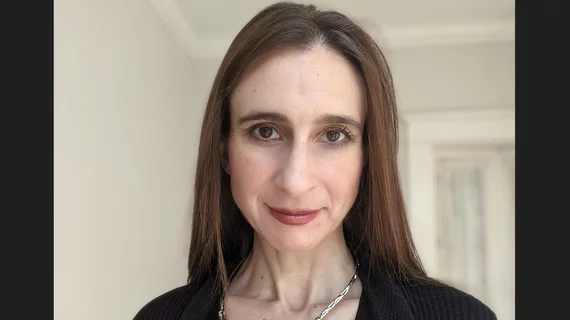
Cynthia Rudin, PhD. Photo courtesy of Duke University.
Cynthia Rudin, PhD, is a highly regarded computer scientist who’s been eyeing the advance of artificial intelligence into society with equal parts enthusiasm and concern.
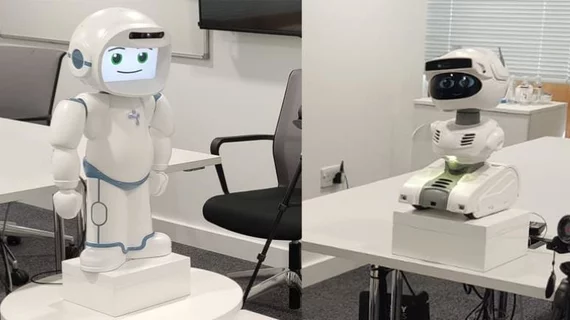
QTrobot (left) and Misty. Photos by Hatice Gunes/University of Cambridge.
When human counselors are unavailable to provide work-based wellness coaching, robots can substitute—as long as the workers are comfortable with emerging technologies and the machines aren’t overly humanlike.
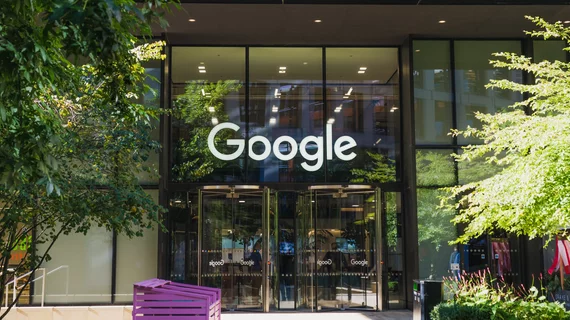
Along with expanding research into large-language models to rival OpenAI’s ChatGPC, the search-engine king is working on AI for improving maternal care, ultrasound access and tuberculosis screening.
Wary consumers can be convinced to allow AI into their healthcare habits by communications campaigns tuned to the ancient rhetorical categories of ethos, pathos and logos.
By now it’s a difficult-to-dispute likelihood: AI won’t replace doctors making diagnoses, but doctors who use AI will displace doctors who don’t use AI. The hypothesis gets a fresh airing out from the vantage point of the general public.
Does the future of digital healthcare lie with biocomputers powered by engineered cultures derived from human brain cells? If so, it’s already underway in Baltimore.
ChatGPT and similar technologies coming down the medical pike have far to go before they’re reliable sources of accurate and appropriate health information. That doesn’t mean they’re non-factors now.
A healthcare AI startup spawned from academia has launched an app to help caregivers understand the emotional state of individuals who are minimally verbal due to such conditions as autism, brain injury and dementia.