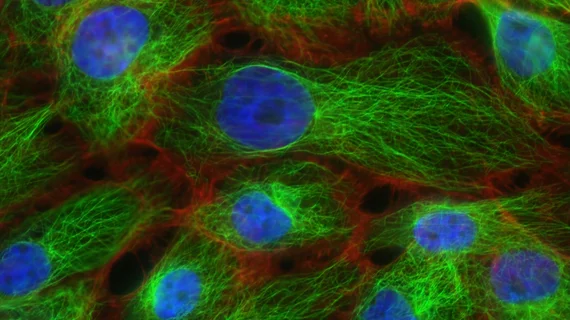
Also called personalized medicine, this evolving field makes use of an individual’s genes, lifestyle, environment and other factors to identify unique disease risks and guide treatment decision-making.
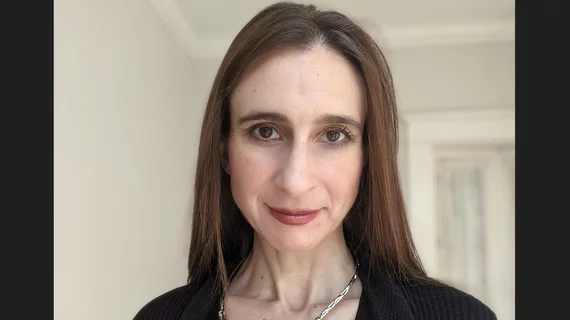
Cynthia Rudin, PhD, is a highly regarded computer scientist who’s been eyeing the advance of artificial intelligence into society with equal parts enthusiasm and concern.
By now it’s a difficult-to-dispute likelihood: AI won’t replace doctors making diagnoses, but doctors who use AI will displace doctors who don’t use AI. The hypothesis gets a fresh airing out from the vantage point of the general public.
The American Society of Radiologic Technologists (ASRT) has published a new white paper on AI and its potential impact on the work of medical imaging and radiation therapy professionals.
Machine learning (ML) algorithms can be trained to predict acute kidney injury (AKI) in burn and trauma patients within the first 24 hours, according to a new study published in Scientific Reports.
Interacting with a computer-animated virtual counselor could help patients know more about complex health issues, including breast cancer, according to new findings published in the Journal of General Internal Medicine.
Patients and healthcare providers both see potential in AI’s ability to improve healthcare. Patients, however, appear to trust AI technology more than providers.