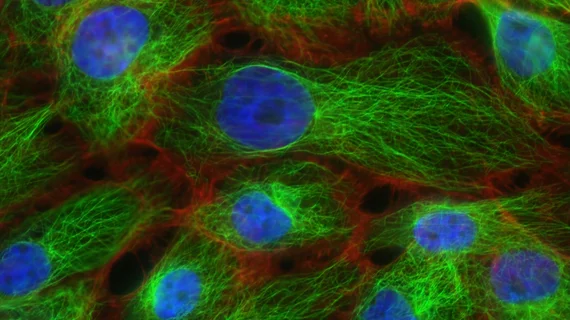
Also called personalized medicine, this evolving field makes use of an individual’s genes, lifestyle, environment and other factors to identify unique disease risks and guide treatment decision-making.
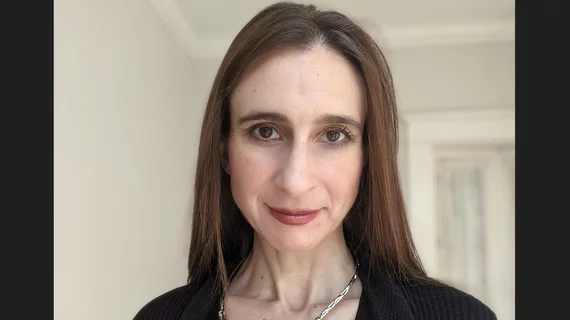
Cynthia Rudin, PhD, is a highly regarded computer scientist who’s been eyeing the advance of artificial intelligence into society with equal parts enthusiasm and concern.
By now it’s a difficult-to-dispute likelihood: AI won’t replace doctors making diagnoses, but doctors who use AI will displace doctors who don’t use AI. The hypothesis gets a fresh airing out from the vantage point of the general public.
Machine learning-based algorithms can predict how patients will respond to antidepressants, according to new research published in Nature Biotechnology. The secret, the authors revealed, is electroencephalography (EEG) data.
Deep learning-based AI models can improve the segmentation of white matter in 18F-FDG PET/CT images, according to a new study published in the Journal of Digital Imaging. This helps radiologists with the early diagnosis of neurodegenerative disease.
President Trump’s 2021 budget proposal included significant cuts related to healthcare and science research, but AI received additional funding compared to 2020.
AI models can predict when patients may be at an increased risk of in-hospital mortality, according to new research published in JAMA Network Open. If implemented, such models could be used to help healthcare providers improve decision-making and deliver better patient care.
Caption Health, a California-based AI company, has received authorization from the FDA to market its software solution for acquiring echocardiography images in the United States.
AI algorithms can help radiologists achieve a “significant improvement” in their ability to detect breast cancer, according to a new study published in The Lancet Digital Health.