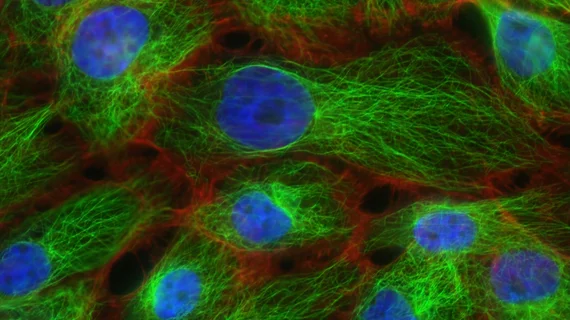
Also called personalized medicine, this evolving field makes use of an individual’s genes, lifestyle, environment and other factors to identify unique disease risks and guide treatment decision-making.
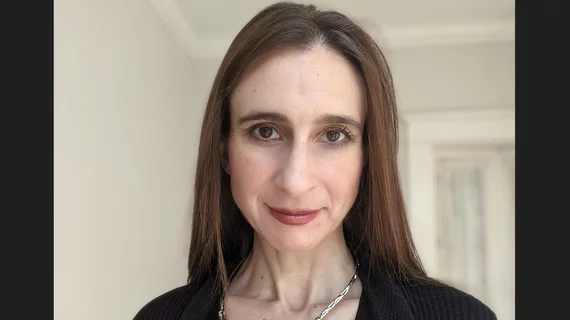
Cynthia Rudin, PhD, is a highly regarded computer scientist who’s been eyeing the advance of artificial intelligence into society with equal parts enthusiasm and concern.
By now it’s a difficult-to-dispute likelihood: AI won’t replace doctors making diagnoses, but doctors who use AI will displace doctors who don’t use AI. The hypothesis gets a fresh airing out from the vantage point of the general public.
Machine learning (ML) can predict a patient’s long-term risk of myocardial infarction (MI) or cardiac death, according to new findings published in Cardiovascular Research.
AI continues to evolve at a rapid pace, with new algorithms and solutions being developed all the time. What kind of long-term impact could these technologies have on patient care?
AI can identify women at a high risk of developing breast cancer more accurately than existing prediction models, according to a new study published in Radiology.
Machine learning (ML) algorithms can evaluate cardiac MR (CMR) images and provide accurate measurements of left ventricular (LV) volumes from throughout the patient’s cardiac cycle, according to a new study published in Magnetic Resonance Imaging.
Machine learning models can be trained to predict chronic diseases such as dementia using electronic medical record (EMR) data, according to a new study published in Artificial Intelligence in Medicine.