Also called personalized medicine, this evolving field makes use of an individual’s genes, lifestyle, environment and other factors to identify unique disease risks and guide treatment decision-making.
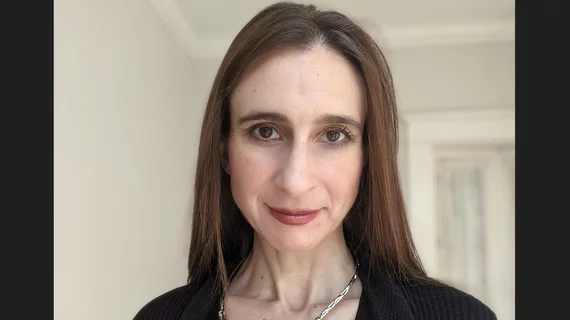
Cynthia Rudin, PhD, is a highly regarded computer scientist who’s been eyeing the advance of artificial intelligence into society with equal parts enthusiasm and concern.
By now it’s a difficult-to-dispute likelihood: AI won’t replace doctors making diagnoses, but doctors who use AI will displace doctors who don’t use AI. The hypothesis gets a fresh airing out from the vantage point of the general public.
Oncopole, a Montreal-based research center, announced that five teams won the Onco-Tech Competition and will receive a total of $1.97 ($2.6 million CAD) in funding.
Deep learning models can improve the detection of attention deficit hyperactivity disorder (ADHD), according to new findings published in Radiology: Artificial Intelligence.
A new imaging technique that uses deep learning technology can identify tumors in colorectal tissue samples with 100% accuracy, according to findings published in Theranostics.
More healthcare providers are starting to investigate how AI can improve patient care, but many of them hurt their own chances of success by making costly mistakes. We spoke with numerous AI vendors about some of the most common mistakes they see being made today.
AI models can be trained to evaluate chest x-rays as well as radiologists, according to a new study published by Radiology. Specialist-approved reference standards played a crucial role in the team’s research.
MaxQ AI has achieved ISO 27001 certification, meaning the Tel Aviv, Israel-based company fully complies with the internationally recognized information security standard.