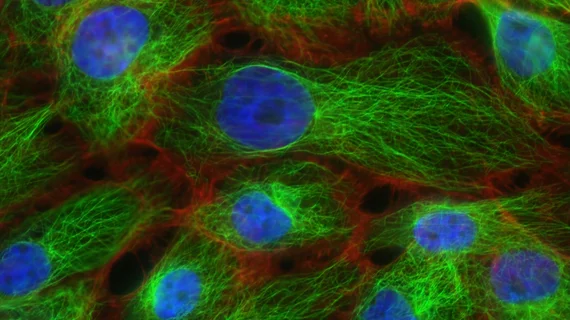
Also called personalized medicine, this evolving field makes use of an individual’s genes, lifestyle, environment and other factors to identify unique disease risks and guide treatment decision-making.
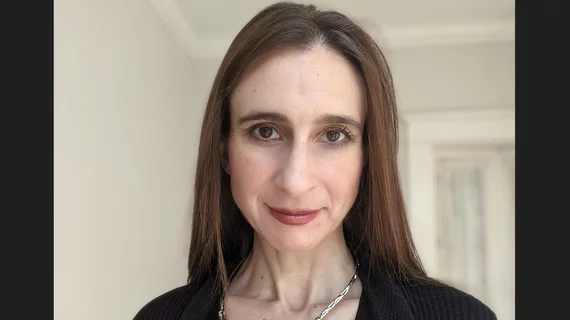
Cynthia Rudin, PhD, is a highly regarded computer scientist who’s been eyeing the advance of artificial intelligence into society with equal parts enthusiasm and concern.
By now it’s a difficult-to-dispute likelihood: AI won’t replace doctors making diagnoses, but doctors who use AI will displace doctors who don’t use AI. The hypothesis gets a fresh airing out from the vantage point of the general public.
Most hospital executives and directors—nearly three in every five—believe Amazon will have the biggest impact in the healthcare market, according to a survey conducted by Reaction Data.
Researchers from Purdue University in West Lafayette, Indiana, is working to develop a new type 1 diabetes therapy that may lead to the long-term reversal of the disease in humans—and man's best friend.
SOC Telemed, the nation’s largest national provider of telemedicine technology to healthcare providers, has acquired behavioral health telemedicine company JSA Health.
Never has so much data been available—but those in medicine face the ongoing challenge of making the most of what’s available. A new report from Deloitte examined just how medical technology companies can improve outcomes, reduce costs and bolster efficiency.
BrainsWay recently received de novo clearance from the U.S. Food and Drug Administration (FDA) for its deep transcranial magnetic stimulation (Deep TMS) system for treating obsessive compulsive disorder (OCD) in adults.