Also called personalized medicine, this evolving field makes use of an individual’s genes, lifestyle, environment and other factors to identify unique disease risks and guide treatment decision-making.
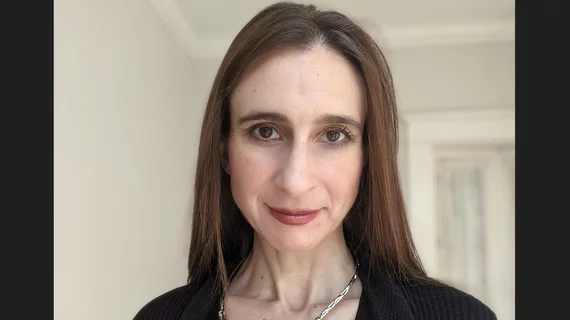
Cynthia Rudin, PhD, is a highly regarded computer scientist who’s been eyeing the advance of artificial intelligence into society with equal parts enthusiasm and concern.
By now it’s a difficult-to-dispute likelihood: AI won’t replace doctors making diagnoses, but doctors who use AI will displace doctors who don’t use AI. The hypothesis gets a fresh airing out from the vantage point of the general public.
In another sign that technology companies are increasingly looking for ways to build out their businesses in the healthcare sector, Amazon, Microsoft, Google, IBM, Oracle and Salesforce have teamed up to address healthcare interoperability.
A protein molecule in the blood could indicate whether a person will develop kidney cancer, according to a study published in Clinical Cancer Research.
Researchers at the University of Utah Health have developed high-tech tools to uncover the genetic cause of early infantile epileptic encephalopathy (EIEE), according to a press release.
The Association of Black Cardiologists (ABC) announced the issuance of Prior Authorization (PA) Resource Kits designed specifically for cardiologists who work with underserved minority patients.
MIT researchers are using an artificial intelligence (AI) model that would help determine the correct drug dosage and, in turn, reduce debilitating side effects for brain cancer patients.
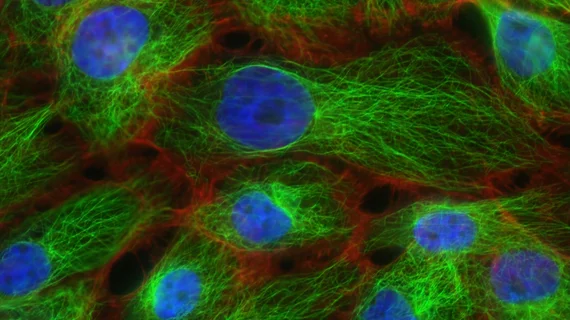
For about a decade, scientists have struggled to find an inexpensive, practical alternative to microfluidic probes. Following an experiment by a New York University research team, a new avenue may available to researchers.