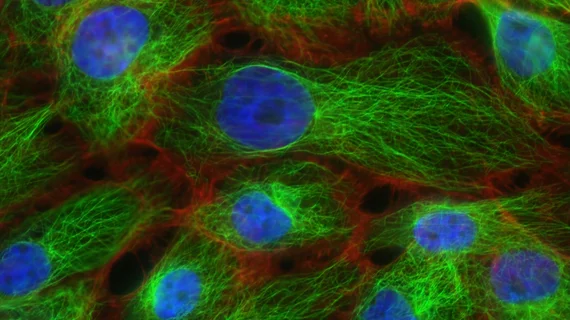
Also called personalized medicine, this evolving field makes use of an individual’s genes, lifestyle, environment and other factors to identify unique disease risks and guide treatment decision-making.
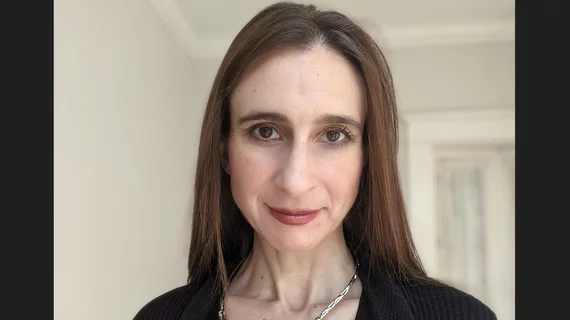
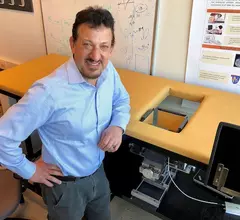
Cynthia Rudin, PhD, is a highly regarded computer scientist who’s been eyeing the advance of artificial intelligence into society with equal parts enthusiasm and concern.
By now it’s a difficult-to-dispute likelihood: AI won’t replace doctors making diagnoses, but doctors who use AI will displace doctors who don’t use AI. The hypothesis gets a fresh airing out from the vantage point of the general public.
A machine learning-powered smartphone application could help patients with a chronic cough document their symptoms over an extended period of time, according to new findings published in Digital Biomarkers.
An AI-powered wearable sensor can detect changes in heart failure patients before an actual crisis occurs, according to new findings published in Circulation: Heart Failure.
As AI continues to make a profound impact on the medical imaging industry, the FDA is hosting a two-day public workshop to discuss the benefits and risks of this powerful technology.
A new international partnership is focused on using AI technology to take a closer look at the human brain and advance amyotrophic lateral sclerosis (ALS) research.
After poring over the chemical compositions of more than 107 million molecules used to make all sorts of drugs, a machine learning algorithm has plucked out one unexpected candidate that may be medicine’s best hope yet against dreaded superbugs.