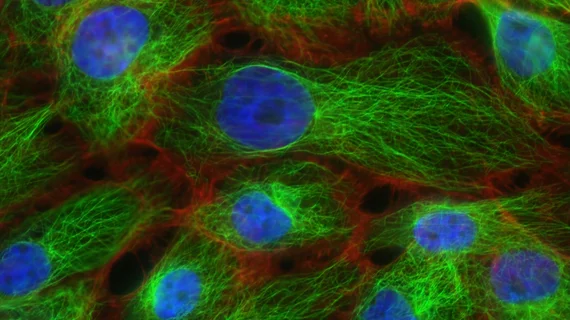
Also called personalized medicine, this evolving field makes use of an individual’s genes, lifestyle, environment and other factors to identify unique disease risks and guide treatment decision-making.
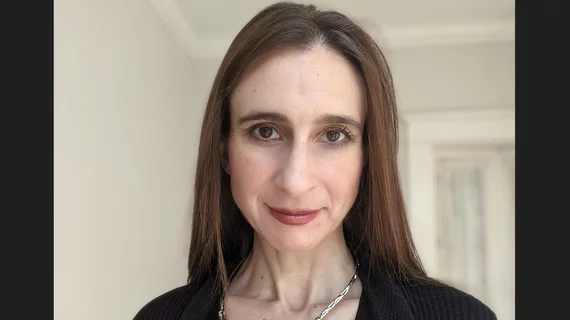
Cynthia Rudin, PhD, is a highly regarded computer scientist who’s been eyeing the advance of artificial intelligence into society with equal parts enthusiasm and concern.
By now it’s a difficult-to-dispute likelihood: AI won’t replace doctors making diagnoses, but doctors who use AI will displace doctors who don’t use AI. The hypothesis gets a fresh airing out from the vantage point of the general public.
Four foundations have come together to provide OpenNotes with $10 million in new funding to spread access to clinical notes to 50 million patients.
The U.S. Food and Drug Administration has launched the beta version of precisionFDA, the collaborative platform for the exploration of next-generation gene sequencing announced in August.
Kaiser Permanente Ventures, the corporate venture capital arm of Kaiser Permanente, has made a $10 million strategic investment in Vidyo, a leader in high quality visual communications.
A texting intervention with a group of patients at risk for heart disease led to significant increases in physical activity levels, according to a study published by the Journal of the American Heart Association.