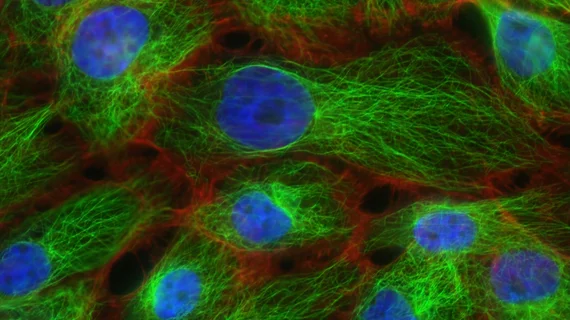
Also called personalized medicine, this evolving field makes use of an individual’s genes, lifestyle, environment and other factors to identify unique disease risks and guide treatment decision-making.
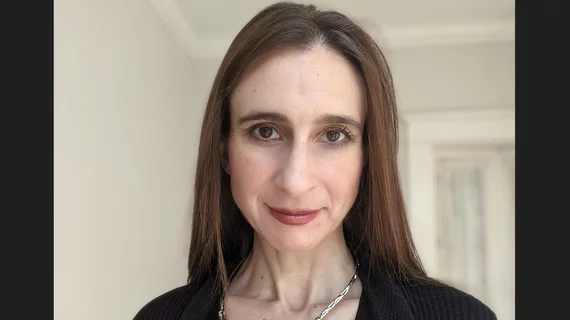
Cynthia Rudin, PhD, is a highly regarded computer scientist who’s been eyeing the advance of artificial intelligence into society with equal parts enthusiasm and concern.
By now it’s a difficult-to-dispute likelihood: AI won’t replace doctors making diagnoses, but doctors who use AI will displace doctors who don’t use AI. The hypothesis gets a fresh airing out from the vantage point of the general public.
The Office of the National Coordinator for Health IT (ONC) released the 2016 Interoperability Standards Advisory (ISA) —a catalog of existing and emerging standards and implementation specifications developed and used to meet specific interoperability needs.
A $10 million National Science Foundation research project will work to improve the patient data security and user confidentiality of mobile health tools.
More research is needed for better informed policy and practice decisions for the use of telehealth, according to a draft technical brief from the Agency for Healthcare Research and Quality.
The U.S. market for remote patient management is projected to grow by 13 percent over the next five years, according to an analysis from Frost & Sullivan.
Bill Frist, MD, former U.S. Senator, is in the process of forming a new venture capital group to handle his and his partner's personal investments healthcare technology, according to Fortune.