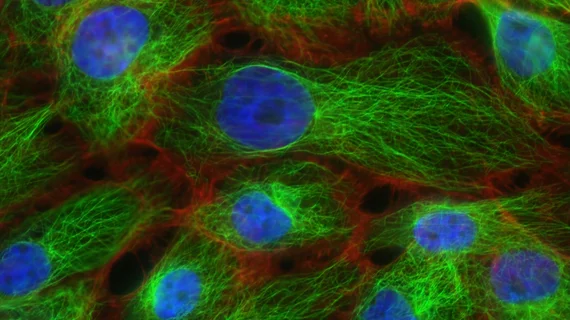
Also called personalized medicine, this evolving field makes use of an individual’s genes, lifestyle, environment and other factors to identify unique disease risks and guide treatment decision-making.
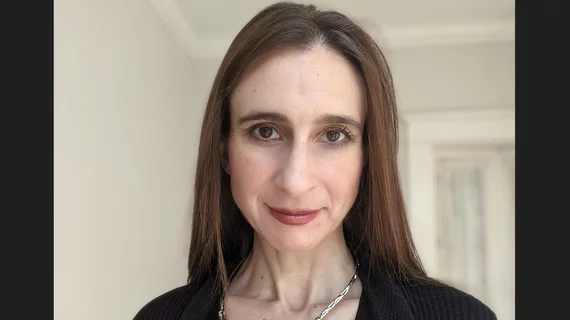
Cynthia Rudin, PhD, is a highly regarded computer scientist who’s been eyeing the advance of artificial intelligence into society with equal parts enthusiasm and concern.
By now it’s a difficult-to-dispute likelihood: AI won’t replace doctors making diagnoses, but doctors who use AI will displace doctors who don’t use AI. The hypothesis gets a fresh airing out from the vantage point of the general public.
Clinical, digital and business leaders from around Boston Children’s Hospital offered their forecasts for the science and clinical innovations that will have the biggest impact on healthcare in 2016.
Curiosity is a critical yet underrated skill for 21st century healthcare innovation, according to a post on the HL7 blog authored by a writer known as HealthIsCool.
Redmond Burke, MD, used an iPhone and Google Cardboard, a virtual reality tool, to successfully operate on a baby girl previously dismissed as impossible to save.
healthfinch, the healthcare IT company behind the award-winning application Swoop for prescription refill requests, has secured $7.5 million in Series A financing to build out its practice automation platform, “Charlie.”
The U.S. Department of Agriculture has awarded Indigo Health Partners a three-year grant to bring telemedicine technology to hospitals in rural northern Michigan areas.
Ford Motor Co. and Henry Ford Health System are co-sponsoring an innovation challenge that seeks and rewards employees who team up to develop smart-phone apps, wearable devices or in-vehicle systems that extend healthcare to the confines of the car.