Also called personalized medicine, this evolving field makes use of an individual’s genes, lifestyle, environment and other factors to identify unique disease risks and guide treatment decision-making.
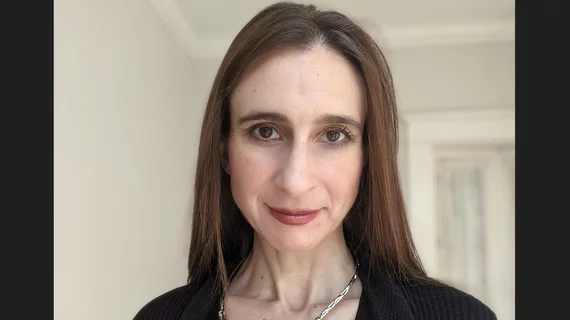
Cynthia Rudin, PhD, is a highly regarded computer scientist who’s been eyeing the advance of artificial intelligence into society with equal parts enthusiasm and concern.
By now it’s a difficult-to-dispute likelihood: AI won’t replace doctors making diagnoses, but doctors who use AI will displace doctors who don’t use AI. The hypothesis gets a fresh airing out from the vantage point of the general public.
Penn Medicine recently launched its initiative to “transform” EHRs by making them smarter, streamlined and more interactive—with the ultimate goal of easing the work of clinicians, expediting care and creating the best patient outcomes.
Veterans Affairs Secretary Robert Wilkie and Department of Defense Secretary James Mattis have pledged to align their efforts as the agencies roll out a new electronic health record (EHR) system.
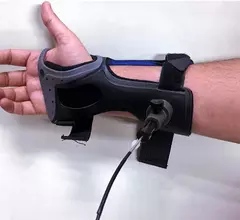
People living with diabetes may soon have a noninvasive option for monitoring their blood glucose levels after a new device was proven to be just as effective as a finger prick test.
Flo Health, creator of the popular Flo app, and biopharmaceutical company Myovant Sciences are partnering together to create a digital tool that screens women for heavy menstrual bleeding.
Cloud-based electronic health record (EHR) company eClinicalWorks has been approved to integrate with the Centers for Medicare & Medicaid Services (CMS) Blue Button 2.0 application programming interface (API).
Physicians at the Froedtert & Medical College of Wisconsin (MCW), in Milwaukee, Wisconsin, will now have access to a mobile tool that monitors patients' progress during pregnancy.