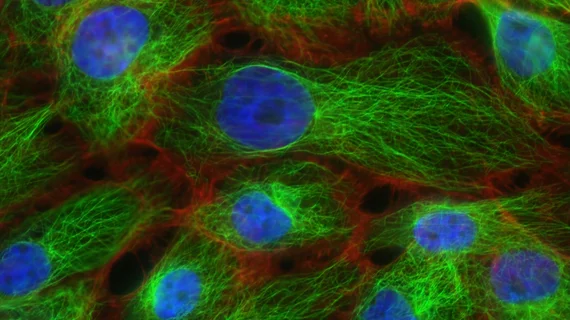
Also called personalized medicine, this evolving field makes use of an individual’s genes, lifestyle, environment and other factors to identify unique disease risks and guide treatment decision-making.
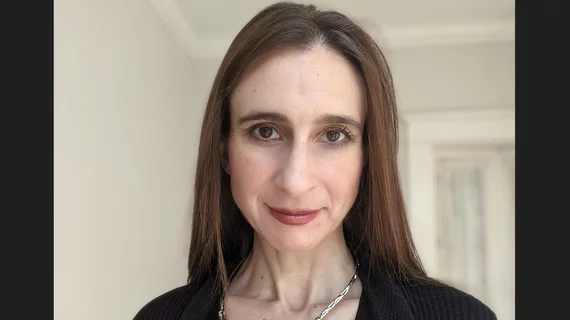
Cynthia Rudin, PhD, is a highly regarded computer scientist who’s been eyeing the advance of artificial intelligence into society with equal parts enthusiasm and concern.
By now it’s a difficult-to-dispute likelihood: AI won’t replace doctors making diagnoses, but doctors who use AI will displace doctors who don’t use AI. The hypothesis gets a fresh airing out from the vantage point of the general public.
An artificial intelligence (AI)-based grading system successfully diagnosed two patients with diabetic retinopathy, according to a study published by JAMA.
Veterans and other individuals managing kidney disease are being asked to test a new nutrition-tracking mobile application designed to help kidney patients.
A research team with Washington State University in Pullman, Washington, has created a biofuel-powered sensor that runs on glucose and can be used to detect, prevent and diagnose diseases.
The Office of the National Coordinator (ONC) for Health Information Technology has awarded nearly $2 million to the Boston Children’s Hospital and MedStar Health Research Institute to help advance interoperability in healthcare.
The Alzheimer’s Society and University of Oxford’s Big Data Institute in Oxford, England, are encouraging people in the United Kingdom to download a new smartphone application so researchers can learn more about dementia.
The Networking and Information Technology Research and Development (NITRD) program is seeking information on the National Artificial Intelligence (AI) Research and Development Strategic Plan.