Also called personalized medicine, this evolving field makes use of an individual’s genes, lifestyle, environment and other factors to identify unique disease risks and guide treatment decision-making.
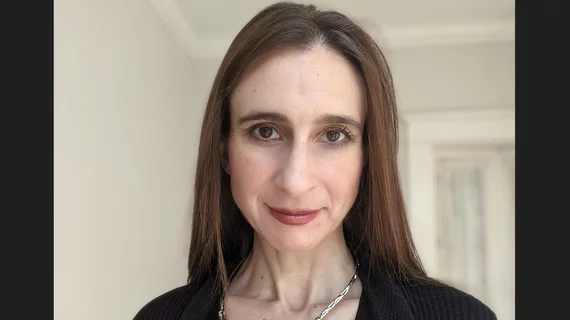
Cynthia Rudin, PhD, is a highly regarded computer scientist who’s been eyeing the advance of artificial intelligence into society with equal parts enthusiasm and concern.
By now it’s a difficult-to-dispute likelihood: AI won’t replace doctors making diagnoses, but doctors who use AI will displace doctors who don’t use AI. The hypothesis gets a fresh airing out from the vantage point of the general public.
A team of researchers used machine learning to help develop a model for predicting surgical critical care patients’ risk of developing hospital-acquired pressure injuries, according to a study published in the American Journal of Critical Care.
A company that uses artificial intelligence (AI) to find healthcare data has raised millions in funding in a push to grow the business, according to a report by VentureBeat.
A deep-learning (DL) algorithm was able to assess mammographic breast density at the level of an experienced mammographer, according to a study published in Radiology.
Nearly 90 percent of hospitals are able to electronically share patient records with outside sources, according to the latest analysis by the Office of the National Coordinator (ONC) for Health Information Technology.
Medtronic's personal therapy application that helps patients who suffer from chronic pain was recently approved by the Food and Drug Administration (FDA).
Anthem has hired Udi Manber, former head of engineering for Google’s core search products, to lead its artificial intelligence (AI) program, according to a report by CNBC.