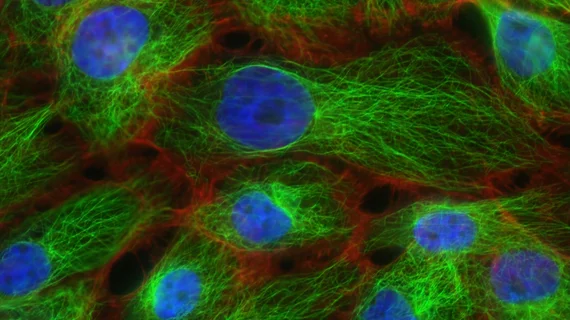
Also called personalized medicine, this evolving field makes use of an individual’s genes, lifestyle, environment and other factors to identify unique disease risks and guide treatment decision-making.
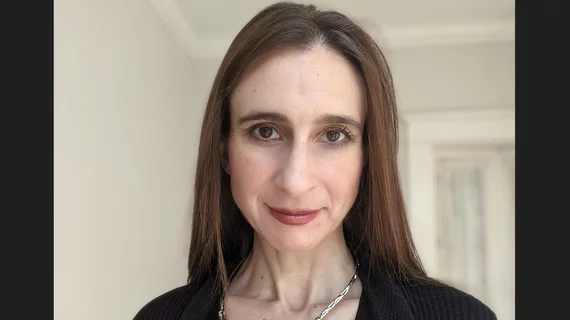
Cynthia Rudin, PhD, is a highly regarded computer scientist who’s been eyeing the advance of artificial intelligence into society with equal parts enthusiasm and concern.
By now it’s a difficult-to-dispute likelihood: AI won’t replace doctors making diagnoses, but doctors who use AI will displace doctors who don’t use AI. The hypothesis gets a fresh airing out from the vantage point of the general public.
Avoidable hospital deaths remain high, according to the Leapfrog Group in its Spring 2016 Hospital Safety Score update, which assigns letter grades to more than 2,500 U.S. hospitals, assessing medical errors, accidents, injuries and infections.
The American Medical Association (AMA) announced a new collaboration with IDEA Labs, a student-run biotechnology incubator, to help inspire and support cutting-edge medical technology development from the next generation of young entrepreneurs studying at Washington University in St. Louis, Harvard University, Massachusetts Institute of Technology, University of Pennsylvania and University of Minnesota.
Just 5 percent of health organizations are operating at the highest level of digital health innovation for proficiency and expertise, according to Enspektos, an innovation consultancy conducting several waves as part of its State of Digital Health Innovation Study.
Intermountain Healthcare and the Stanford Genome Technology Center (SGTC) have established a new collaborative research program to advance precision health.
Mount Sinai Health System has joined several other leading healthcare provider organizations by launching OpenNotes, the national initiative that allows patients electronic access to their provider’s notes in their medical records.