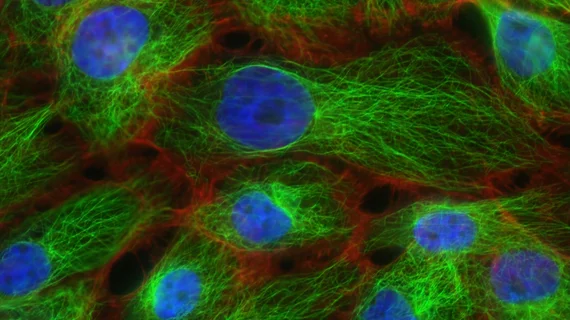
Also called personalized medicine, this evolving field makes use of an individual’s genes, lifestyle, environment and other factors to identify unique disease risks and guide treatment decision-making.
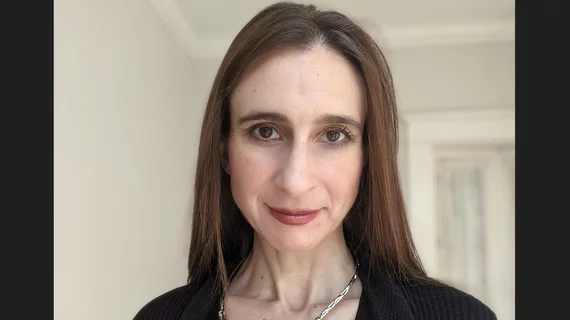
Cynthia Rudin, PhD, is a highly regarded computer scientist who’s been eyeing the advance of artificial intelligence into society with equal parts enthusiasm and concern.
By now it’s a difficult-to-dispute likelihood: AI won’t replace doctors making diagnoses, but doctors who use AI will displace doctors who don’t use AI. The hypothesis gets a fresh airing out from the vantage point of the general public.
Global health insurance and healthcare management company DavidShield has created an easier way for patients to pay their medical bills with their smartphone.
Electrical stimulation of the vagus nerve can reduce the symptoms of rheumatoid arthritis (RA) and inhibit cytokine production, according to a new study published in Proceedings of the National Academy of Sciences.
The next edition of Apple’s operating system for iPhones will include the ability to register as an organ, tissue and eye donor through the company’s Health app.
Women who have the BRCA1+ gene mutation might also be at elevated risk not just for breast cancer, but for uterine cancer too, according to a new study published in the Journal of the American Medical Association Oncology.
The Office of the National Coordinator for Health Information Technology (ONC) announced it will use two existing surveys to improve how it measures “widespread interoperability.”
A clinical study testing mobile videoconferencing between a physician and stroke patient being transported to the hospital was found to be 98 percent as accurate was a bedside visit.