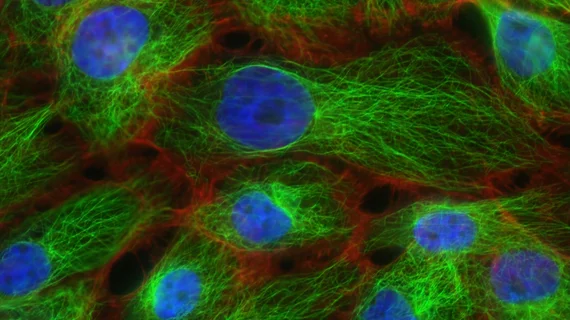
Also called personalized medicine, this evolving field makes use of an individual’s genes, lifestyle, environment and other factors to identify unique disease risks and guide treatment decision-making.
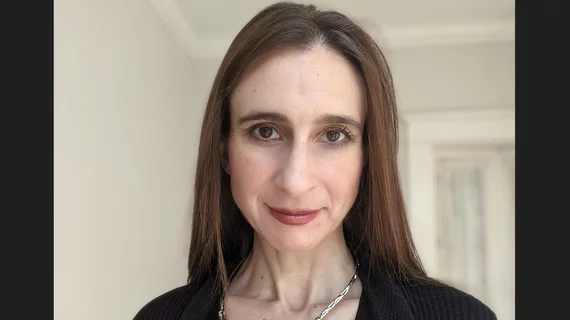
Cynthia Rudin, PhD, is a highly regarded computer scientist who’s been eyeing the advance of artificial intelligence into society with equal parts enthusiasm and concern.
By now it’s a difficult-to-dispute likelihood: AI won’t replace doctors making diagnoses, but doctors who use AI will displace doctors who don’t use AI. The hypothesis gets a fresh airing out from the vantage point of the general public.
Ashburn, Virginia-based BlackMesh has launched a HIPAA-compliant cloud platform designed to meet the everyday technical and regulatory needs of clinics and hospitals.
With the enormous number of apps promising better health or improved eating habits, how are physicians evaluating these options? What guidelines do they have in recommending apps to patients?
SALT LAKE CITY, Dec. 1, 2016 — Use of machine learning and predictive analytics to improve health outcomes has so far been limited to highly-trained data scientists, mostly in the nation’s top academic medical centers.
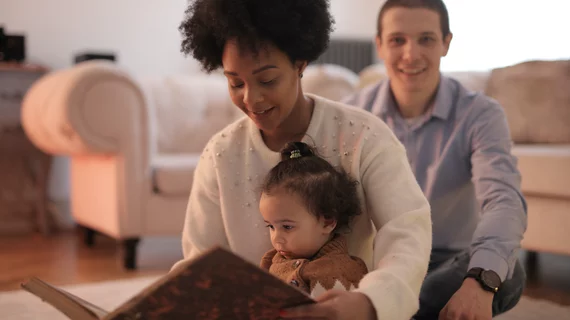
Researchers have found that children who take music lessons may have improved brain fiber connections, which could potentially be useful in treating autism and attention deficit hyperactivity disorder (ADHD).
At RSNA 2016 the topic of 3D printing brought in the best of the best and the NewPro 3D printer stood out as one of the most promising printers among the bunch.
Clinical communications company PerfectServe has named Greg White as the new COO to lead the company as it expands its PerfectServe Synchrony, a platform that allows clinicians to communicate about patient care.