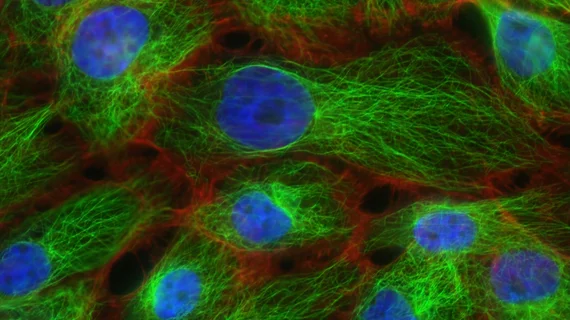
Also called personalized medicine, this evolving field makes use of an individual’s genes, lifestyle, environment and other factors to identify unique disease risks and guide treatment decision-making.
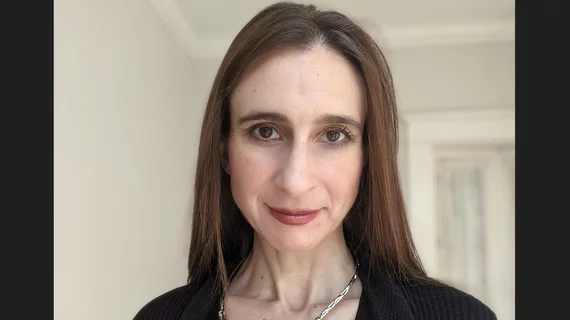
Cynthia Rudin, PhD, is a highly regarded computer scientist who’s been eyeing the advance of artificial intelligence into society with equal parts enthusiasm and concern.
By now it’s a difficult-to-dispute likelihood: AI won’t replace doctors making diagnoses, but doctors who use AI will displace doctors who don’t use AI. The hypothesis gets a fresh airing out from the vantage point of the general public.
Researchers at Technion-Israel Institute of Technology have developed and tested an algorithm within a mobile app capable of acting as an electrocardiogram (ECG) R peak detector for arrhythmogenic events.
SnapMD, a provider of telehealth software, has announced new functionalities within its Patient Presenter Workflow within Virtual Care Management (VCM) telehealth platform.
Researchers at the North Carolina State University and the University of North Carolina at Chapel Hill have developed a technology capable of decoding neuromuscular signals to improve the control of powered prosthetic wrists and hands.
Researchers have developed a tool that utilizes laboratory tests to identify which patients with chronic obstructive pulmonary disease (COPD) are at a high risk of hospitalization.
Mobile health (mHealth) is better utilized by users who are more engaged in self-management. Findings were published May 21 in JMIR mHealth and uHealth.
Researchers have reduced surgical site infections (SSIs) in patients undergoing colorectal operations by 61 percent in less than two years, according to a study published ahead of print in the Journal of the American College of Surgeons.
Hospitals in America typically use Facebook to share educational information and communicate with patients, according to a study published May 16 in the Journal of Medical Internet Research.