Also called personalized medicine, this evolving field makes use of an individual’s genes, lifestyle, environment and other factors to identify unique disease risks and guide treatment decision-making.
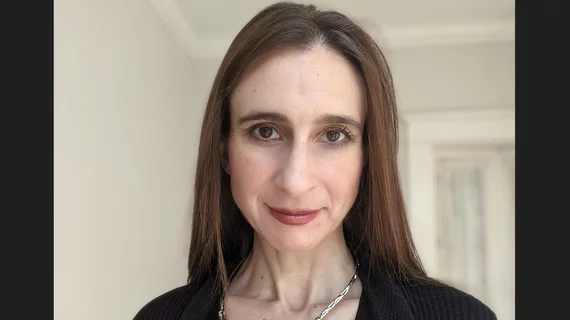
Cynthia Rudin, PhD, is a highly regarded computer scientist who’s been eyeing the advance of artificial intelligence into society with equal parts enthusiasm and concern.
By now it’s a difficult-to-dispute likelihood: AI won’t replace doctors making diagnoses, but doctors who use AI will displace doctors who don’t use AI. The hypothesis gets a fresh airing out from the vantage point of the general public.
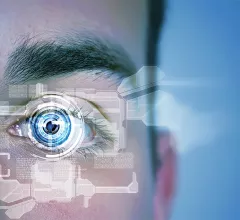
Detecting diabetic retinopathy on eyeball imaging has been touted as one of medical AI’s most promising applications, as “the machine” has repeatedly equaled or bested humans at the task.
Academic experts in disaster response have developed an AI-based simulation model that accurately predicts ebbs and flows in traffic at drive-through vaccination stations.