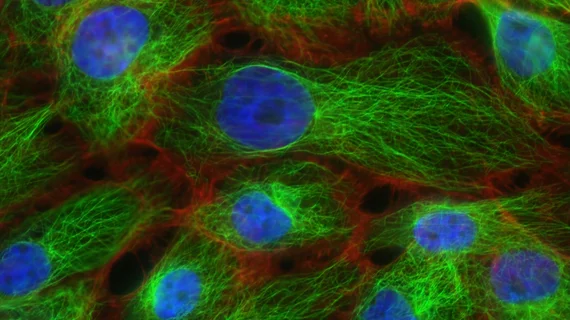
Also called personalized medicine, this evolving field makes use of an individual’s genes, lifestyle, environment and other factors to identify unique disease risks and guide treatment decision-making.
Cynthia Rudin, PhD, is a highly regarded computer scientist who’s been eyeing the advance of artificial intelligence into society with equal parts enthusiasm and concern.
By now it’s a difficult-to-dispute likelihood: AI won’t replace doctors making diagnoses, but doctors who use AI will displace doctors who don’t use AI. The hypothesis gets a fresh airing out from the vantage point of the general public.
The tool makes the call based on factors readily available to busy clinicians, respecting their workflows while helping patients and families decide whether moving to access a stepped-up care setting would fit well with their aims and values.
Two bioinformatics experts have used AI to accurately estimate regional COVID infection rates, aka seroprevalence, in all 50 states and 50 hard-hit countries.
The plan is to draw health data from every available source to continuously nudge individuals toward not only appropriate medical care but also healthier lifestyles.
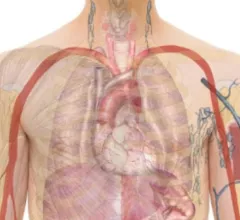
AI has proven capable of automatically detecting looming heart trouble on CT scans taken for lung issues like lung cancer, pulmonary embolism and pneumonia.