Providers utilize business intelligence to monitor referral patterns and collaborate with clinicians who order their services. Such analytics tools have also been deployed in the specialty to improve productivity, track patient satisfaction and bolster quality.
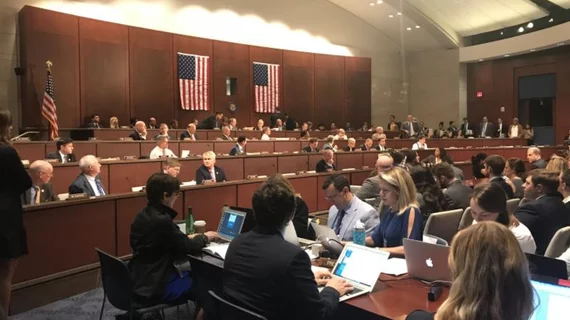
AI could appreciably improve the delivery of healthcare services to patients—if only people trusted it. For many, the difference-maker would be nicely crafted federal regulations.
From boutique clinics in Mexico to medical spas in Europe to top-tier academic medical centers in the U.S., healthcare organizations courting medical tourists are enjoying boom times.
When human counselors are unavailable to provide work-based wellness coaching, robots can substitute—as long as the workers are comfortable with emerging technologies and the machines aren’t overly humanlike.
Along with expanding research into large-language models to rival OpenAI’s ChatGPC, the search-engine king is working on AI for improving maternal care, ultrasound access and tuberculosis screening.
Wary consumers can be convinced to allow AI into their healthcare habits by communications campaigns tuned to the ancient rhetorical categories of ethos, pathos and logos.
ChatGPT and similar technologies coming down the medical pike have far to go before they’re reliable sources of accurate and appropriate health information. That doesn’t mean they’re non-factors now.
Cloud giant Amazon Web Services is expanding its 1½ -year-old HealthLake data-management service in two imaging-specific directions. In the process it’s drawing vocal buy-in from healthcare providers as well as imaging vendors.
A few months into the COVID crisis, the health department of California’s Contra Costa County faced an unexpected side challenge: Staff were getting inundated by faxes bearing vital health data.