Industry researchers in medical AI have demonstrated a “causal reasoning” algorithm whose diagnostic accuracy would place it among the top 25% of primary care doctors in the U.K.
Someone had to come right out and ask. Six researchers representing four medical specialties have done so, weighing the odds by reviewing a representative sample of the literature.
If it pans out at real-world dinner tables, a freshly cooked-up AI system will soon be counting calories and sniffing out macronutrients just by gobbling up images of meals.
In the late 1700s the English social theorist Jeremy Bentham sketched out a prison in which a single guard could control hundreds of inmates. The trick was to let the men know they could be seen 24/7 while the guard on duty was hidden from their view.
Medical AI may be stuck in a bind familiar to many jobseekers: If you don’t have the hands-on experience, you can’t get the job. If you don’t have the job, you can’t get the hands-on experience.
Pandemic forecasting models aren’t hard to find of late, but a new one combines epidemiological expertise from a top-three medical school with AI knowhow from one of big tech’s biggest.
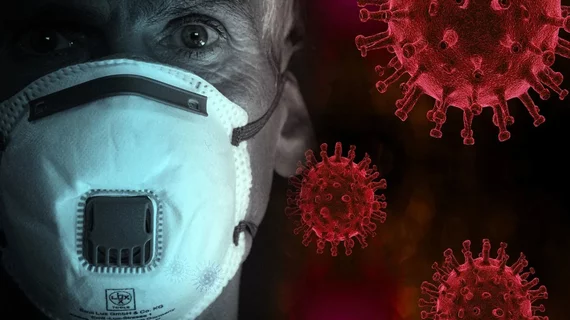
A generation gap may be emerging within the gold rush of computer scientists and software developers racing to weaponize AI for the fight against COVID-19.