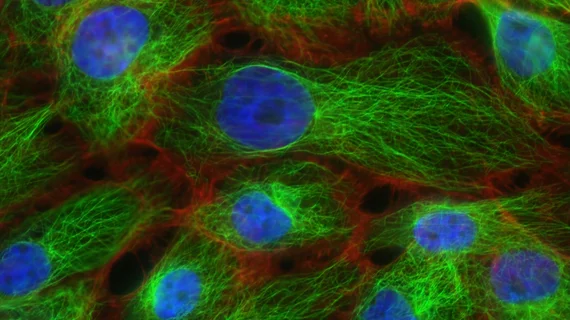
Also called personalized medicine, this evolving field makes use of an individual’s genes, lifestyle, environment and other factors to identify unique disease risks and guide treatment decision-making.
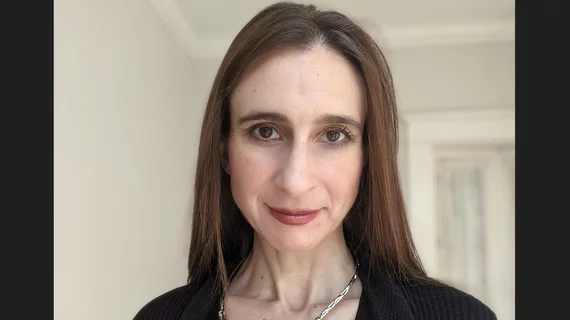
Cynthia Rudin, PhD, is a highly regarded computer scientist who’s been eyeing the advance of artificial intelligence into society with equal parts enthusiasm and concern.
By now it’s a difficult-to-dispute likelihood: AI won’t replace doctors making diagnoses, but doctors who use AI will displace doctors who don’t use AI. The hypothesis gets a fresh airing out from the vantage point of the general public.
In an effort to increase cancer prevention education in the Hispanic population, researchers at the University of Texas Health Science Center at Houston (UTHealth) will use mobile technology to provide information that encourages nutritious eating and physical activity.
The leadership role of the CMIO is becoming firmly established as a true clinical IT decision-maker and facilitator within many U.S. health systems, hospitals and large medical groups, mainly through relationships with physicians and medical staff.
While CPOE is difficult to define, the proliferation of order sets is a real challenge for clinicians as they move toward an accountable care model. Find out how these facilities are integrating order sets into the caregiver and administrator processes.
By implementing processes to streamline workflow and identify problem areas contributing to inefficient care, it is possible to provide more than 90 percent of patients access to MRI within 24 hours, according to a study published in the September issue of the Journal of the American College of Radiology.
ImageIQ, an imaging contract research organization incubated within Cleveland Clinic, has partnered with the Anderson Orthopaedic Research Institute (AORI) in Alexandria, Va. to assess orthopedic implants.