Also called personalized medicine, this evolving field makes use of an individual’s genes, lifestyle, environment and other factors to identify unique disease risks and guide treatment decision-making.
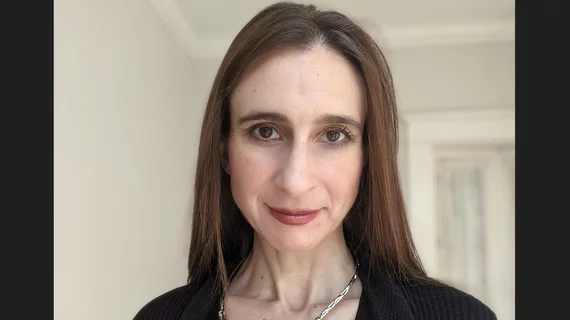
Cynthia Rudin, PhD, is a highly regarded computer scientist who’s been eyeing the advance of artificial intelligence into society with equal parts enthusiasm and concern.
By now it’s a difficult-to-dispute likelihood: AI won’t replace doctors making diagnoses, but doctors who use AI will displace doctors who don’t use AI. The hypothesis gets a fresh airing out from the vantage point of the general public.
Patients are satisfied with the treatment they receive, but providers will need to offer additional services as they become more involved as healthcare consumers, according to a Harris Interactive survey.
The Electronic Healthcare Network Accreditation Commission, a nonprofit standards development organization and accrediting body, has posted new versions of program criteria for general public review.
It was innovation celebration day at the U.S. Department of Health and Human Services (HHS). On Sept. 24, the agency took time to honor the most recent winners of the HHSinnovates program.
McKesson has entered into a definitive agreement to acquire MedVentive, a developer of population and risk management technologies, for an undisclosed sum.
Despite a lack of clear strategy, most healthcare organizations are proceeding with a mobile health (mHealth) initiative, according to survey results from health IT consulting firm, Medullan.
Many parents who have spent frantic hours trying to calm a child wailing over some unseen source of physical discomfort are all too familiar with ear infections. Soon they may be able to help their pediatrician diagnose the condition without leaving home—as long as they’re packing an iPhone.
In the wake of widespread media coverage of alarm fatigue in 2011, when the Boston Globe and other outlets linked the problem to hundreds of deaths, healthcare consumers added one more item to their list of worries over hospitalization. The question now: Who owns the predicament?