Also called personalized medicine, this evolving field makes use of an individual’s genes, lifestyle, environment and other factors to identify unique disease risks and guide treatment decision-making.
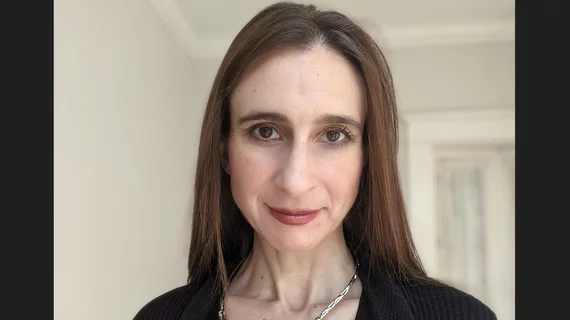
Cynthia Rudin, PhD, is a highly regarded computer scientist who’s been eyeing the advance of artificial intelligence into society with equal parts enthusiasm and concern.
By now it’s a difficult-to-dispute likelihood: AI won’t replace doctors making diagnoses, but doctors who use AI will displace doctors who don’t use AI. The hypothesis gets a fresh airing out from the vantage point of the general public.
The trend among patients to use smartphone applications as healthcare aids continues to grow, according to research published Nov. 8 by the Pew Internet & American Life Project.
The case of a concussed Arizona teenager illustrates how telemedicine can be utilized in rural areas, according to an article published online Oct. 26 by Telemedicine and e-Health.
Natural language processing offers tools to improve monitoring of patient pain statuses, according to research published online Nov. 9 by the Journal of the American Medical Informatics Association.
Clinical decision support could help reduce the inappropriate use of antibiotics to treat acute respiratory infections, according to research published online Nov. 2 by the Journal of General Internal Medicine.
This month’s news includes coverage from the annual AHIMA convention, a substantial grant aimed at reducing medical errors associated with EHRs and new studies pointing out the benefits and flaws of current EHR systems.
Healthcare added 30,500 jobs in October and the overall U.S. economy gained 171,000 new jobs, according to preliminary figures from the U.S. Bureau of Labor Statistics.
The Agency for Healthcare Research and Quality (AHRQ) has unveiled the Pharmacy Survey on Patient Safety Culture, the latest in a series of risk assessment toolkits for providers.