Also called personalized medicine, this evolving field makes use of an individual’s genes, lifestyle, environment and other factors to identify unique disease risks and guide treatment decision-making.
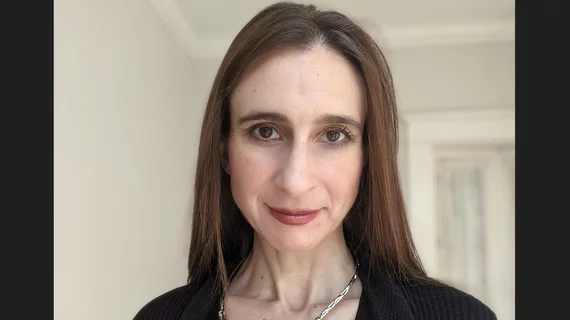
Cynthia Rudin, PhD, is a highly regarded computer scientist who’s been eyeing the advance of artificial intelligence into society with equal parts enthusiasm and concern.
By now it’s a difficult-to-dispute likelihood: AI won’t replace doctors making diagnoses, but doctors who use AI will displace doctors who don’t use AI. The hypothesis gets a fresh airing out from the vantage point of the general public.
While EMRs provide accountable care organizations with data critical for population health management, additional health IT tools that integrate patient data from multiple sources, support the management of care plans and enable patient communications are required as well, according to a report from Mass.-based research firm IDC Health Insights.
The global market for wireless EHRs will reach $23.5 billion by 2018, representing a five-year compound annual growth rate of 16.1 percent from 2013 to 2018, according to a technical market research report from BCC Research, a Mass.-based firm.
Just days before Karen DeSalvo, MD, MPH, MSc, assumes her new post as national coordinator of health IT, acting coordinator Jacob Reider, MD, published thoughts about improving health IT usability on the agency’s Health IT Buzz blog.
Compared to patients not part of an accountable care organization (ACO), ACO patients tend to be older than 80 years old and earn higher incomes, and are less likely to be black, covered by Medicaid or disabled. Meanwhile, the cost of care for ACO patients was slightly lower than for non-ACO patients, according to a study published in Health Affairs.
Patients with diabetes who regularly refilled their prescriptions using Kaiser Permanente’s patient portal improved their medication adherence and lowered their cholesterol levels, according to a study published in Medical Care.
The CommonWell Health Alliance debuted at the annual HIMSS convention last February amid much fanfare. Many wondered if the new group was just a public relations stunt.
The FDA’s Office of Orphan Products Development is continuing to funnel money into organizations that support an unmet need: innovation in pediatric devices.
A new report details the complex challenges associated with the use of healthcare technology in homes and other nonclinical settings and offers suggestions on how to best address those challenges.