Also called personalized medicine, this evolving field makes use of an individual’s genes, lifestyle, environment and other factors to identify unique disease risks and guide treatment decision-making.
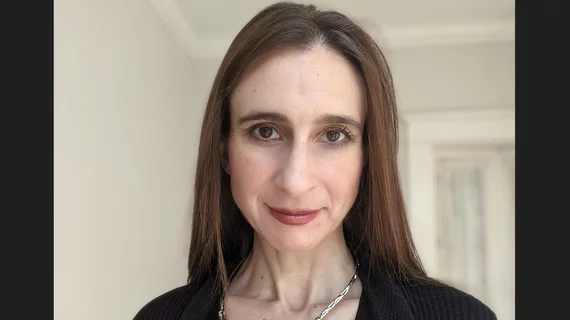
Cynthia Rudin, PhD, is a highly regarded computer scientist who’s been eyeing the advance of artificial intelligence into society with equal parts enthusiasm and concern.
By now it’s a difficult-to-dispute likelihood: AI won’t replace doctors making diagnoses, but doctors who use AI will displace doctors who don’t use AI. The hypothesis gets a fresh airing out from the vantage point of the general public.
Intensive outreach programs conducted through community health centers can significantly improve screening rates for colorectal cancer, according to a new study published in JAMA Internal Medicine.
The CommonWell Health Alliance anticipates delivery this summer of its promise to facilitate the exchange of patient data, originally announced more than a year ago.
This week the Health IT Policy Committee held its monthly meeting and two big issues were efforts to streamline the Office of the National Coordinator for Health IT’s operations and advancing the exchange of behavioral health information.
The JASON report on creating a robust health data infrastructure released in April offered expert analysis but also raised numerous questions, according to a discussion during the June 10 Health IT Policy Committee meeting.
Interoperability has been a top priority for everyone in health IT and the Office of the National Coordinator for Health IT shared its vision for nationwide interoperability over the next 10 years.
WASHINGTON, June 10, 2014 -- The mHealth Summit announced today that it will host the Global mHealth Forum, a two-day co-located event, to focus on mobile and connected health in low and middle income countries (LMICs).