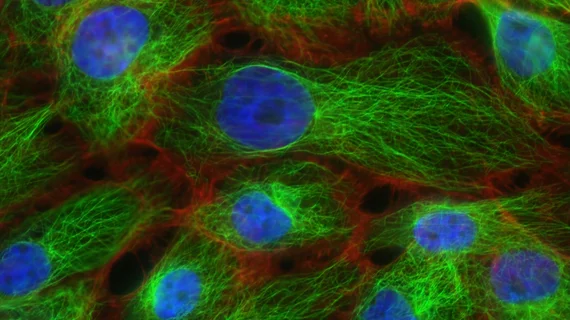
Also called personalized medicine, this evolving field makes use of an individual’s genes, lifestyle, environment and other factors to identify unique disease risks and guide treatment decision-making.
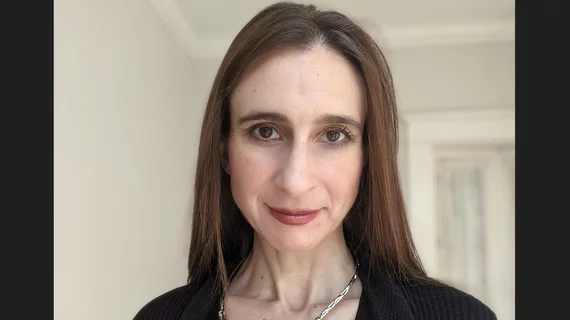
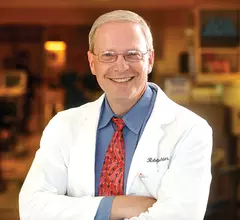
Cynthia Rudin, PhD, is a highly regarded computer scientist who’s been eyeing the advance of artificial intelligence into society with equal parts enthusiasm and concern.
By now it’s a difficult-to-dispute likelihood: AI won’t replace doctors making diagnoses, but doctors who use AI will displace doctors who don’t use AI. The hypothesis gets a fresh airing out from the vantage point of the general public.
Almost half (46 percent) of healthcare professionals plan to incorporate smartphone apps into their practices within the next five years, according to a survey from the Research Now Group.
The Department of Health and Human Services set an ambitious goal to shift to value-based payment and it’s going to take effort from all stakeholders to make it work.
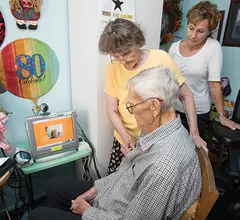
There’s a growing recognition of the importance of all that happens with patients outside of the few minutes they spend with clinicians. Learn how organizations are linking with that data for better outcomes.