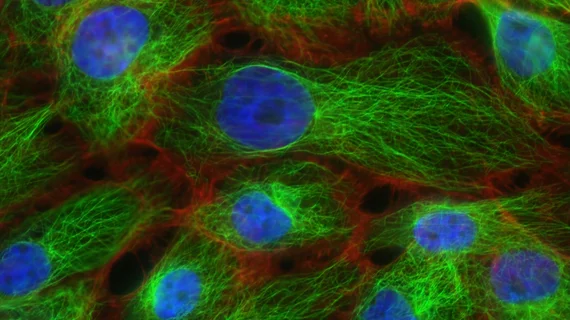
Also called personalized medicine, this evolving field makes use of an individual’s genes, lifestyle, environment and other factors to identify unique disease risks and guide treatment decision-making.
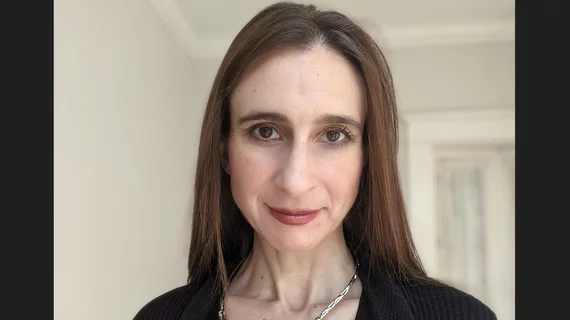
Cynthia Rudin, PhD, is a highly regarded computer scientist who’s been eyeing the advance of artificial intelligence into society with equal parts enthusiasm and concern.
By now it’s a difficult-to-dispute likelihood: AI won’t replace doctors making diagnoses, but doctors who use AI will displace doctors who don’t use AI. The hypothesis gets a fresh airing out from the vantage point of the general public.
Many organizations are thinking about population health and consider it “critically important” to the future of healthcare, but few are in any payer agreements, according to findings from Numerof & Associates.
Partners HealthCare is launching a second round of Innovation Discovery Grants (IDG) to support the most promising early-stage ideas that can someday improve patient care.
The Center for Data Driven Discovery in Biomedicine at The Children's Hospital of Philadelphia (CHOP) aims to advance precision medicine and match the most appropriate treatment to individual patients.
The connected health market will hit $117 billion by 2020 and 86 percent of clinicians believe mobile apps will be central to patient health in that time frame, according to the "State of the App Economy" report from ACT | The App Association.
The University of Southern California Center for Body Computing (CBC), the digital health innovation accelerator for the Keck Medicine of USC medical enterprise, has announced eight foundational partners for its Virtual Care Clinic.
CHIME has sent a letter to the Chronic Care Working Group of the Senate Committee on Finance to develop policies that will enable better healthcare for chronically sick patients.