Also called personalized medicine, this evolving field makes use of an individual’s genes, lifestyle, environment and other factors to identify unique disease risks and guide treatment decision-making.
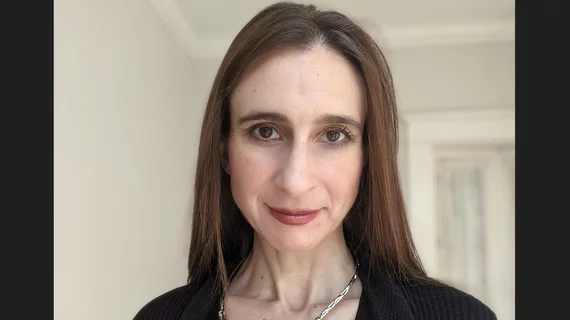
Cynthia Rudin, PhD, is a highly regarded computer scientist who’s been eyeing the advance of artificial intelligence into society with equal parts enthusiasm and concern.
By now it’s a difficult-to-dispute likelihood: AI won’t replace doctors making diagnoses, but doctors who use AI will displace doctors who don’t use AI. The hypothesis gets a fresh airing out from the vantage point of the general public.
Chemotherapy's side effects can take a massive toll on the body. In an effort to reduce the killing of healthy cells, researchers from the University of Pennsylvania have developed a computer model that helps design nanocarriers to guide drugs to specific areas within the body.
The Food and Drug Administration has issued a Class 1 recall alert, its most serious recall classification, for Dräger’s VentStar Oxylog 3000 Disposable Pediatric Patient Circuit due to a leaking issue which could kill patients.
Delivering mental healthcare to young people without access to care can be a challenge. Mindbin Technologies has developed an app to help young people care for their mental illness.
Jordan Health Products, an owner of medical, surgical and diagnostic imaging equipment companies, has acquired Pacific Medical, a medical equipment retailer based in San Juan Capistrano, California.
Wearable technology has come a long way—and it’s about to go even further. Engineers from the University of California have designed wireless sensors the size of a piece of dust that can be implanted into the body to monitor internal organs, nerves and muscles.