Also called personalized medicine, this evolving field makes use of an individual’s genes, lifestyle, environment and other factors to identify unique disease risks and guide treatment decision-making.
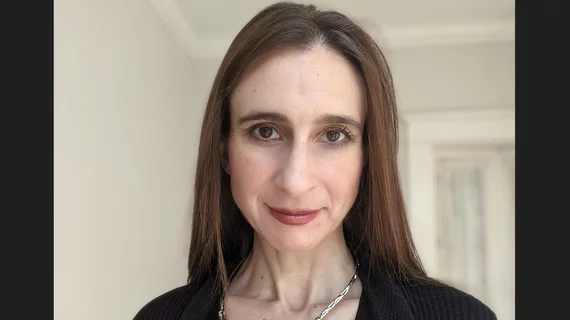
Cynthia Rudin, PhD, is a highly regarded computer scientist who’s been eyeing the advance of artificial intelligence into society with equal parts enthusiasm and concern.
By now it’s a difficult-to-dispute likelihood: AI won’t replace doctors making diagnoses, but doctors who use AI will displace doctors who don’t use AI. The hypothesis gets a fresh airing out from the vantage point of the general public.
ReWalk Robotic, producers of wearable robotic exoskeletons for patients with spinal cord injuries, has been commissioned by the U.S. Department of Veterans Affairs (VA) to provide 28 exoskeleton system to be used in a multi-center clinical trial.
A recent study, published in Lancet Respiratory Medicine, examined a point-of-care testing strategy capable of providing test results within an hour, dramatically speeding up the time between diagnosis and administering treatment.
Vaccines prevent measles, mumps and chicken pox—but researchers have a new target. A new vaccine, being developed by scientists at the University of California, San Diego, hopes to prevent acne.
Identifying patients at high risk of developing prediabetes is an important first step in preventing further progression of the disease. A tool, presented at the Endocrine Society's 99th annual meeting, shows promise in pinpointing patients in need of early intervention.
When caregivers are included in the discharge of elderly patients, readmission rates can be reduced by 25 percent, according to a study published in the Journal of the American Geriatrics Society.
Individuals interested in vitro fertilization (IVF) often depend on pre-implantation genetic screening (PGS) to ensure an embryo is able to grow into a healthy child. But a study recently published in EMBO Reports found these screenings are often unreliable in identifying between unhealthy and healthy embryos.
Researchers from Charité-Universitätsmedizin Berlin and the Berlin Institute of Health (BIH) have developed a more flexible study design to improve the efficiency of preclinical research, publishing their findings in PLOS Biology.
Paul Marik, MD, an intensive care surgeon at the Eastern Virginia Medical School in Norfolk, claims he has been able to treat sepsis, the leading cause of death for patients in the hospital, in 150 patients with only one fatality.